

🌍 World Wildlife Day 2026
Every year on March 3, people around the globe celebrate World Wildlife Day, a day dedicated to appreciating the incredible diversity of wild animals and plants and raising awareness about the urgent need to protect them. Established by the United Nations General Assembly in 2013, this day reminds us that wildlife is not just beautiful, it is vital for the health of our planet and our own well-being.
🌱 This Year’s Theme: Medicinal and Aromatic Plants
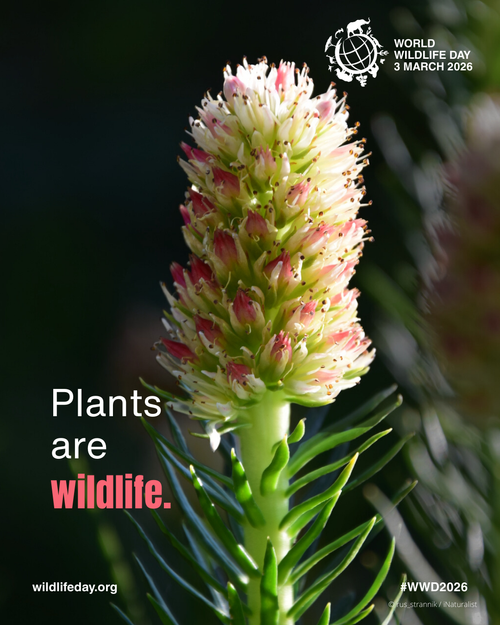
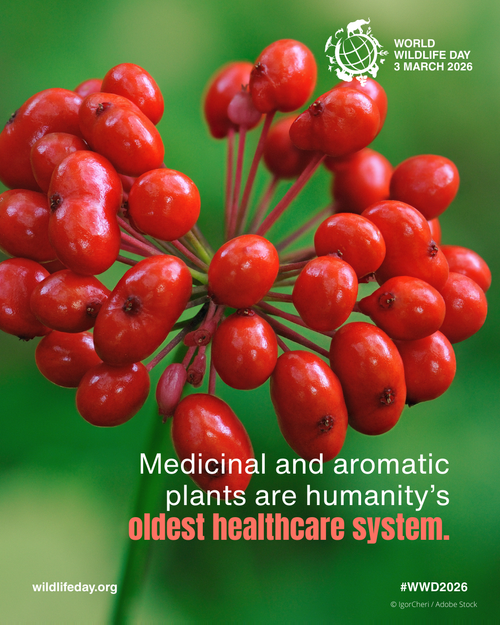
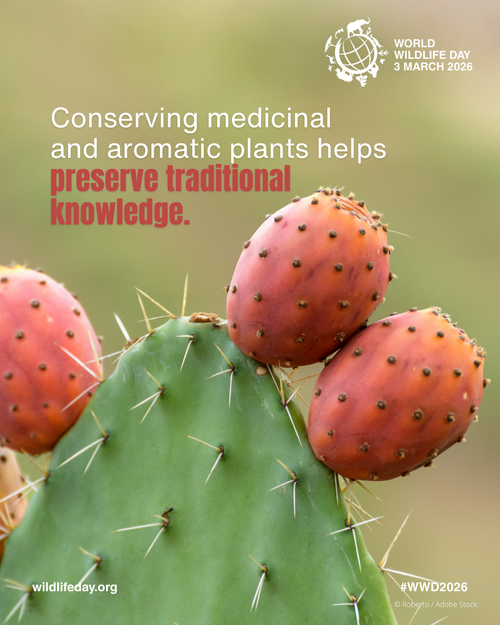
The official theme for World Wildlife Day 2026 is “Medicinal and Aromatic Plants: Conserving Health, Heritage and Livelihoods.” This focus highlights the indispensable role that plants play in sustaining human health, cultural traditions, and local economies around the world - from traditional medicine to modern pharmaceuticals and beyond. It also draws attention to the growing threats these species face from habitat loss, over-harvesting, and climate change.

Poster credits: Winner of the #WorldWildlifeDay 2026 Official Poster Contest!
Hannah Payet
Hannah Payet is a Seychellois creative designer and illustrator specialising in brand design and visual storytelling. Her work blends strategic thinking with nature-inspired aesthetics, often drawing from island life, environmental narratives, and cultural identity. She is the founder of Pistachio Bloom Creative Studio.
🖼️ About the Poster
The poster explores the idea of humans being intrinsically connected to nature, particularly through medicinal and aromatic plants that sustain our health, food systems, and scientific research. Subtle human forms are woven into a dense botanical composition, symbolising how humanity is supported and protected by biodiversity. The illustrative style and colour palette aim to evoke harmony, interdependence, and respect for the natural world.
📉 A Critical Moment: Wildlife in Decline
Despite conservation efforts, wildlife around the world is under intense pressure. According to the latest global assessments of biodiversity, average wildlife populations have declined by approximately 73% since 1970. This staggering loss, documented across thousands of species of mammals, birds, fish, amphibians, and reptiles, signals a rapidly deteriorating natural world and highlights how deeply our ecosystems are being affected.
🌿 Why Wildlife Matters
Wildlife and biodiversity sustain life on Earth. Healthy ecosystems provide us with:
Clean air and water
Food and medicine
Climate stability
Cultural and spiritual value
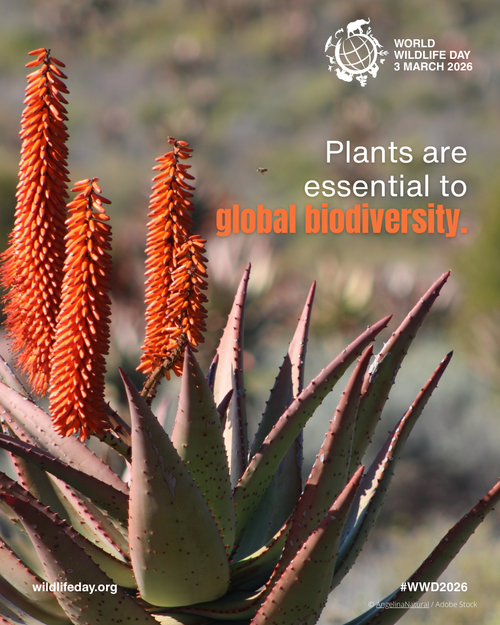
From pollinators that support agriculture to forests that absorb carbon, nature underpins every aspect of human existence.
Yet the sharp declines we are seeing, like that 73% drop in global wildlife populations, threaten not only wild species but the stability of ecosystems and human communities everywhere.
💪 How We Can Make a Difference
World Wildlife Day isn’t just about raising awareness, it’s about inspiring real action:
Support conservation efforts that protect habitats and species.
Choose sustainable products and avoid those linked to deforestation or wildlife exploitation.
Reduce your environmental footprint by conserving energy, cutting waste, and supporting clean solutions.
Educate others about biodiversity loss and what can be done to reverse it.
Connect with nature and let that connection motivate long-term stewardship.
🌍 A Shared Responsibility
Protecting wildlife is not an optional extra, it’s essential for a thriving planet. When wildlife thrives, ecosystems function, communities prosper, and future generations inherit a healthier world.
This World Wildlife Day 2026, let’s honour our natural world by taking action - for the plants, the animals, and for ourselves. Because when wildlife thrives, we all thrive. 🌿
To find out more go to: https://wildlifeday.org/en
📝 Conservation Officer Amber Hanys
