


Conservation
In 2025, we helped 129 in our Raptor Hospital
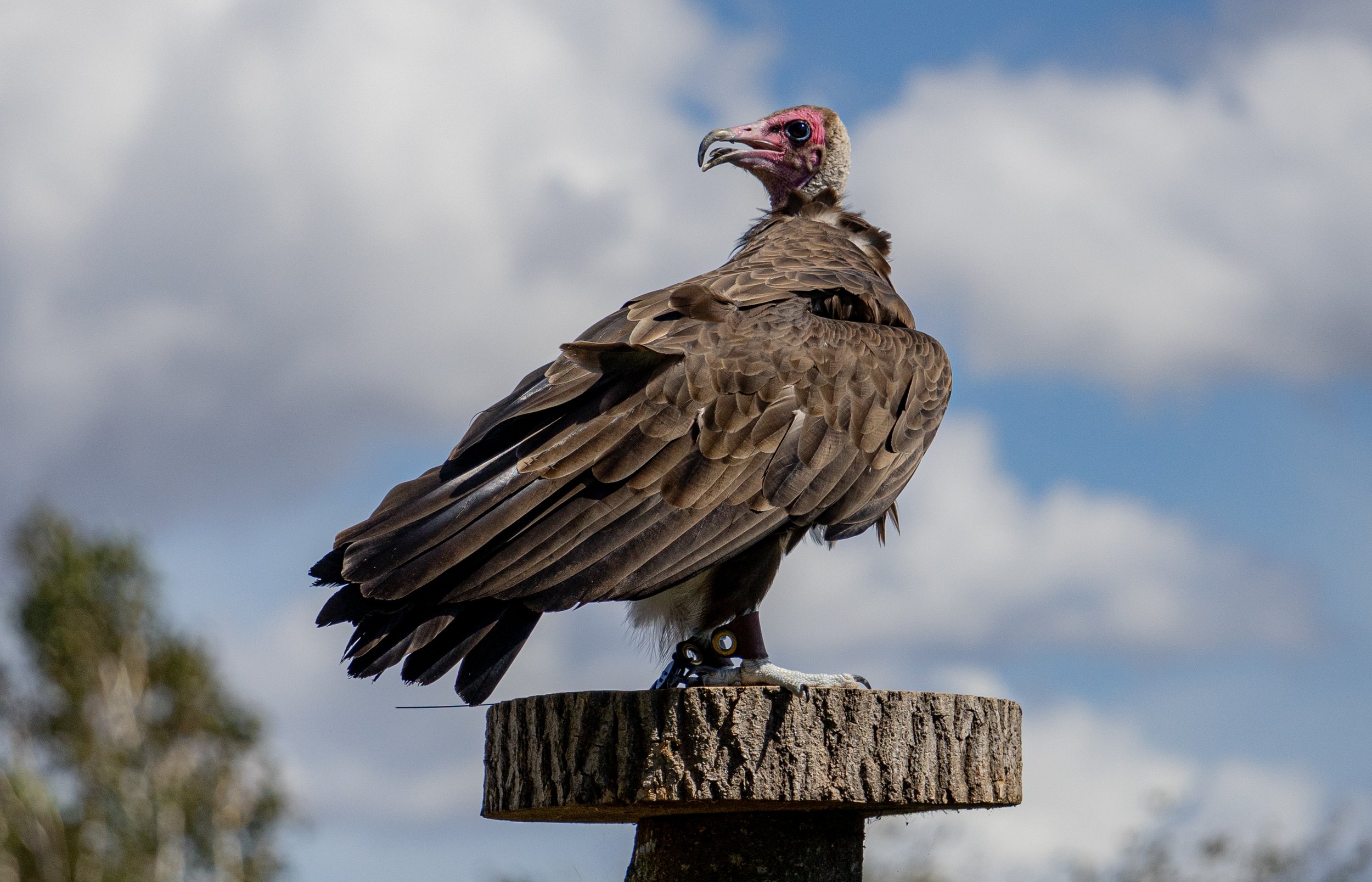
RInging
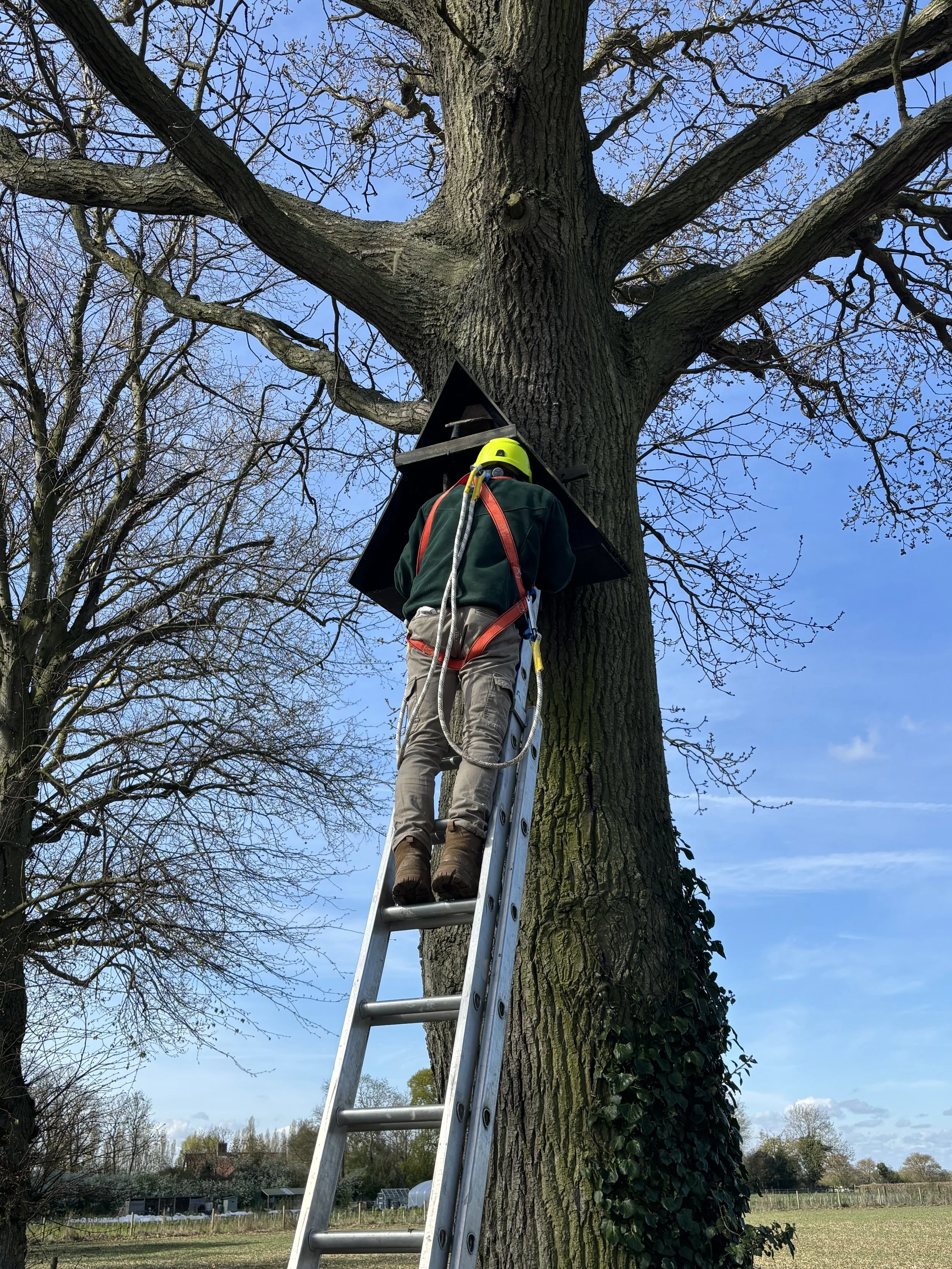
NestBoxes
The Suffolk Owl Sanctuary Wild Owl Nest Box Scheme is a long-running conservation project dedicated to supporting wild Barn Owls, Tawny Owls, Little Owls and Kestrels across Suffolk. By installing, monitoring and maintaining nest boxes in suitable habitats, we help provide safe places for these birds to shelter and breed. This helps strengthen local raptor populations and contributes valuable data to ongoing conservation efforts.
We work closely with a licensed bird ringer from the British Trust for Ornithology (BTO) to ring birds from both our Raptor Hospital and our Nest Box Scheme. Each small ring carries a unique number that allows birds to be identified if they are seen again, helping scientists track their movements, survival and breeding success. This contributes to the wider conservation and long-term protection of wild bird populations.
Vulture Conservation
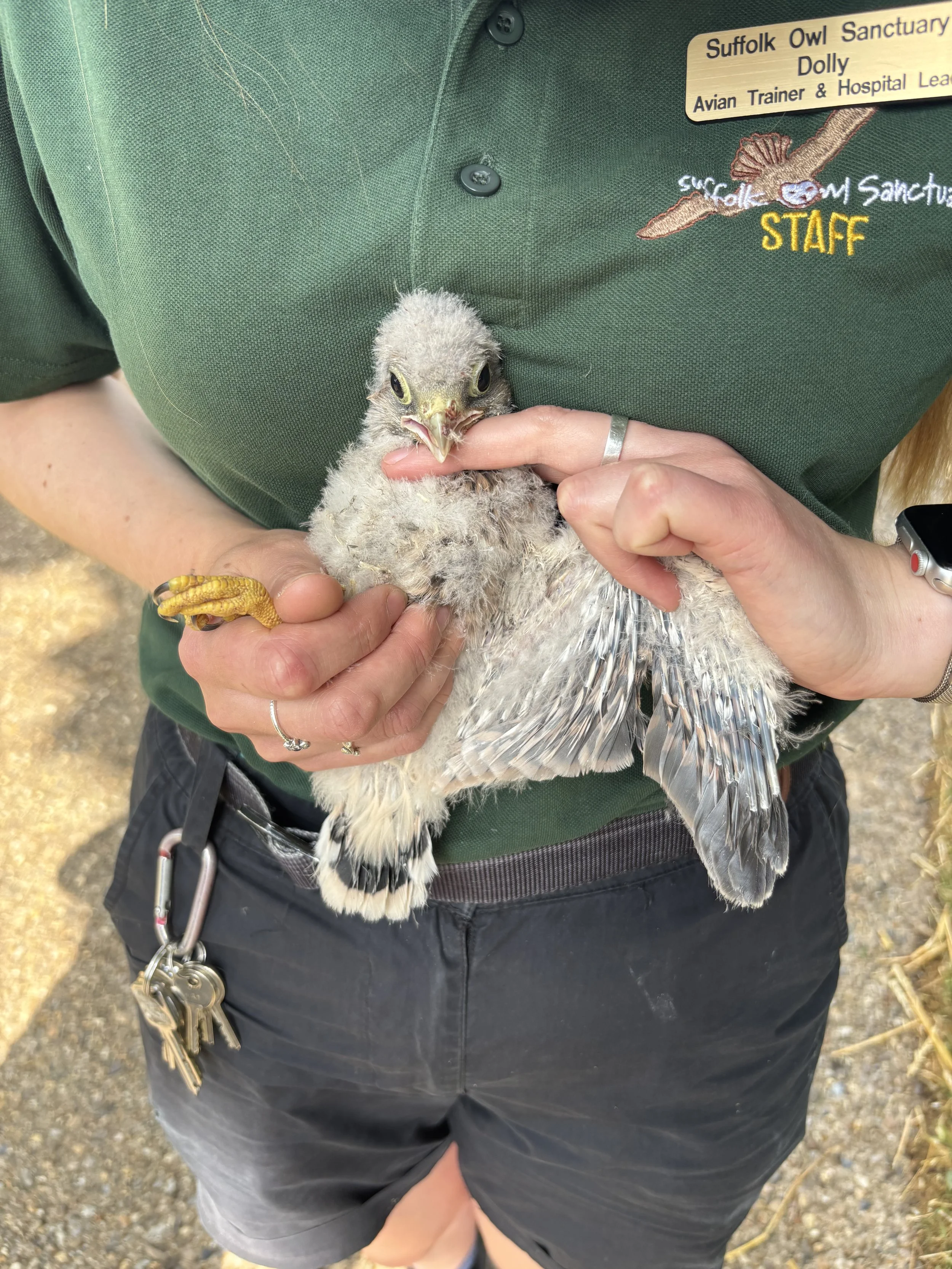
The Suffolk Owl Sanctuary is home to six vultures representing three species: Hooded Vulture, White-backed Vulture and Rüppell’s Griffon Vulture. Vultures are among the most threatened birds in the world, yet they play an essential role in nature by safely removing carcasses and helping prevent the spread of disease. By caring for these remarkable birds and sharing their story with our visitors, we aim to inspire greater understanding and support for vulture conservation while raising awareness of the urgent need to protect these species and the vital ecological role they play as nature’s clean-up crew.