

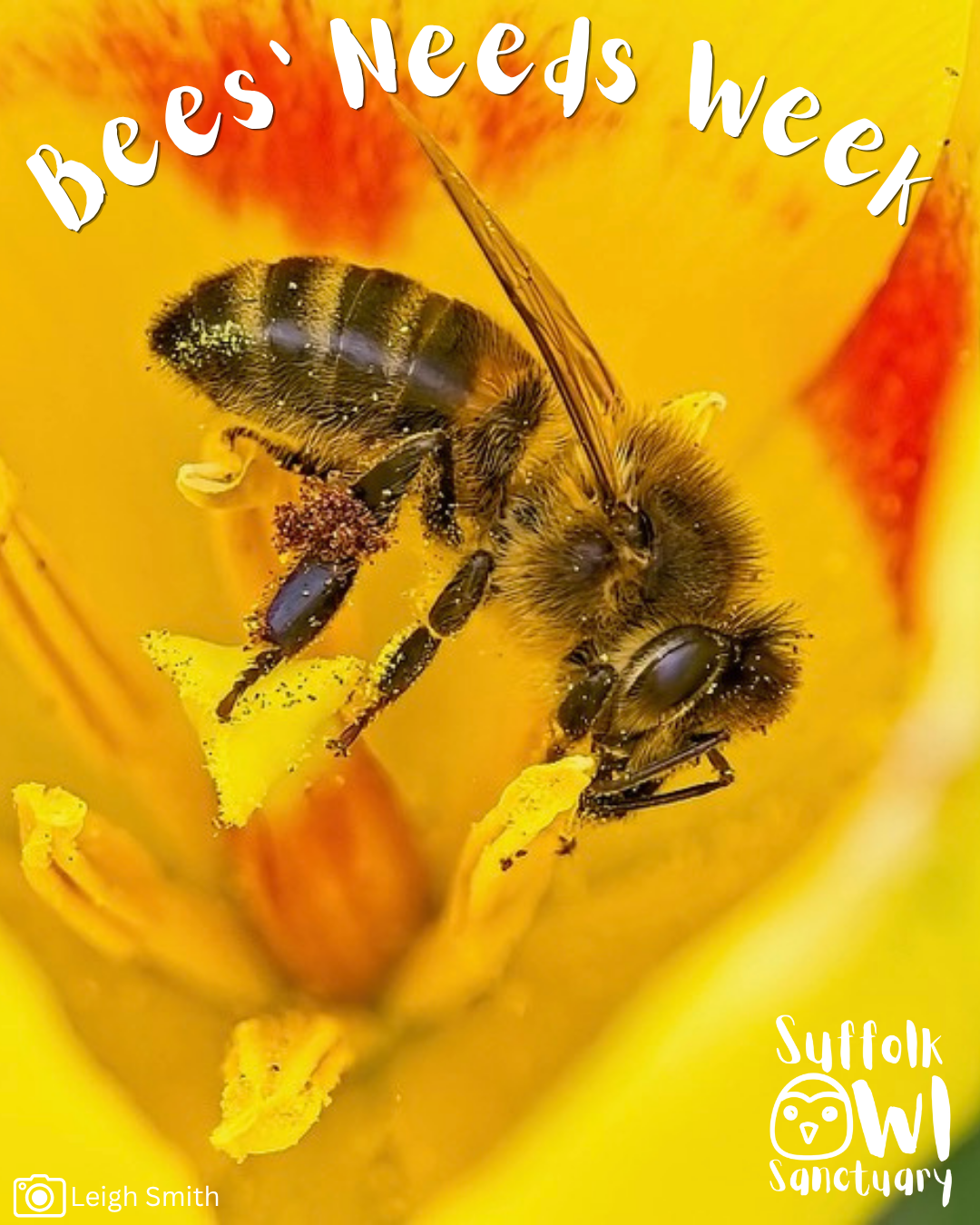
From 13th–19th July 2026, we're celebrating Bees' Needs Week, an annual campaign coordinated by Defra (Department for Environment, Food & Rural Affairs) to highlight the importance of bees and other pollinating insects.
Pollinators play a vital role in our environment. They help many wild plants reproduce and are essential for growing a wide range of fruits, vegetables and other crops. Healthy pollinator populations support biodiversity, strengthen ecosystems and contribute to food security.
However, pollinators continue to face significant challenges, including habitat loss, climate change, pollution and inappropriate pesticide use. The encouraging news is that everyone can play a part in protecting them. Whether you have a large garden, a small courtyard or just a few pots on a balcony, simple actions can provide valuable food and shelter for pollinating insects.
Five simple ways to support pollinators
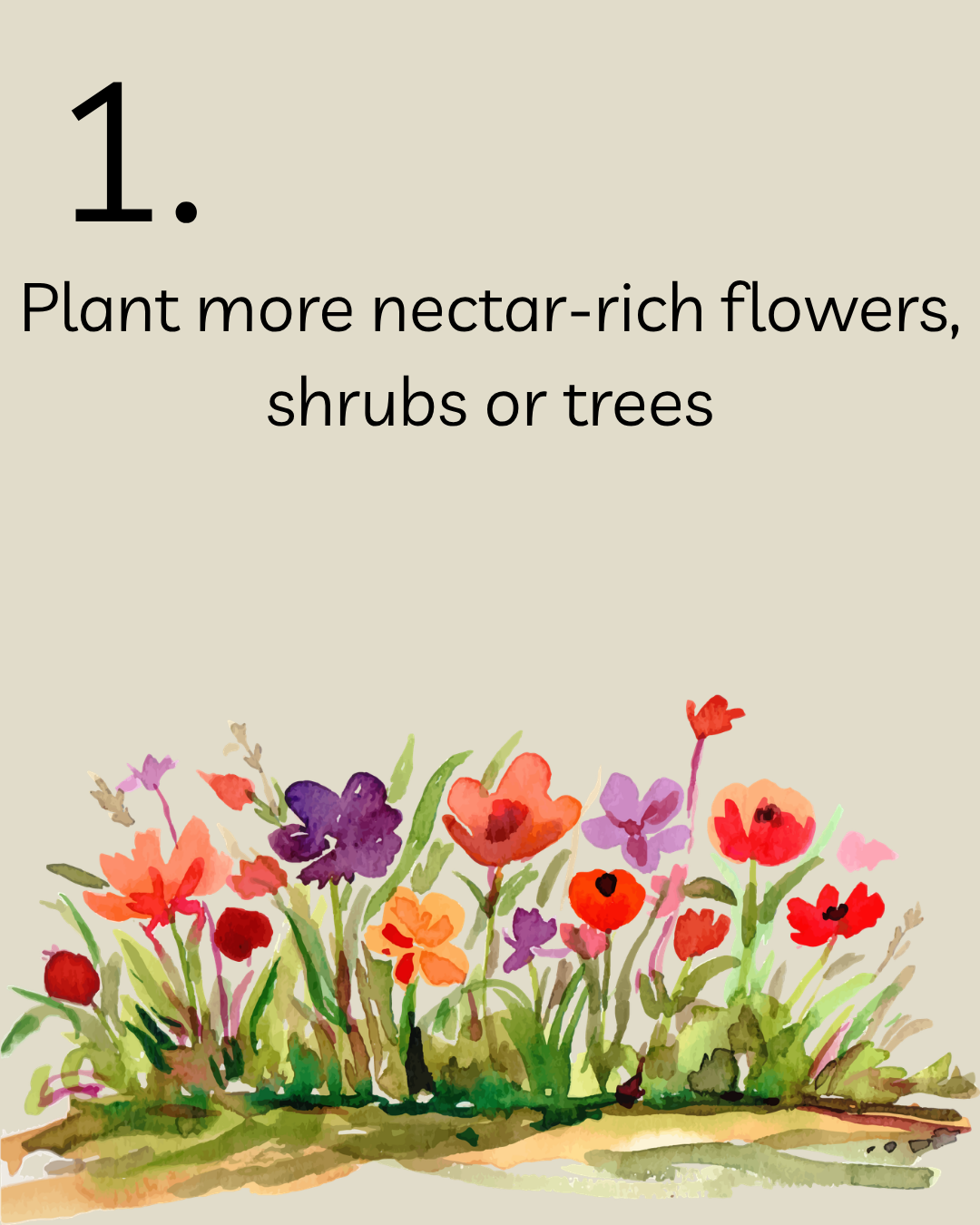
🌸 Grow more nectar-rich flowers, shrubs and trees
Choose plants that provide nectar and pollen throughout the seasons. Native species and pollinator-friendly varieties are especially beneficial. If you don't have a garden, window boxes, hanging baskets or balcony planters can still provide an important source of food.
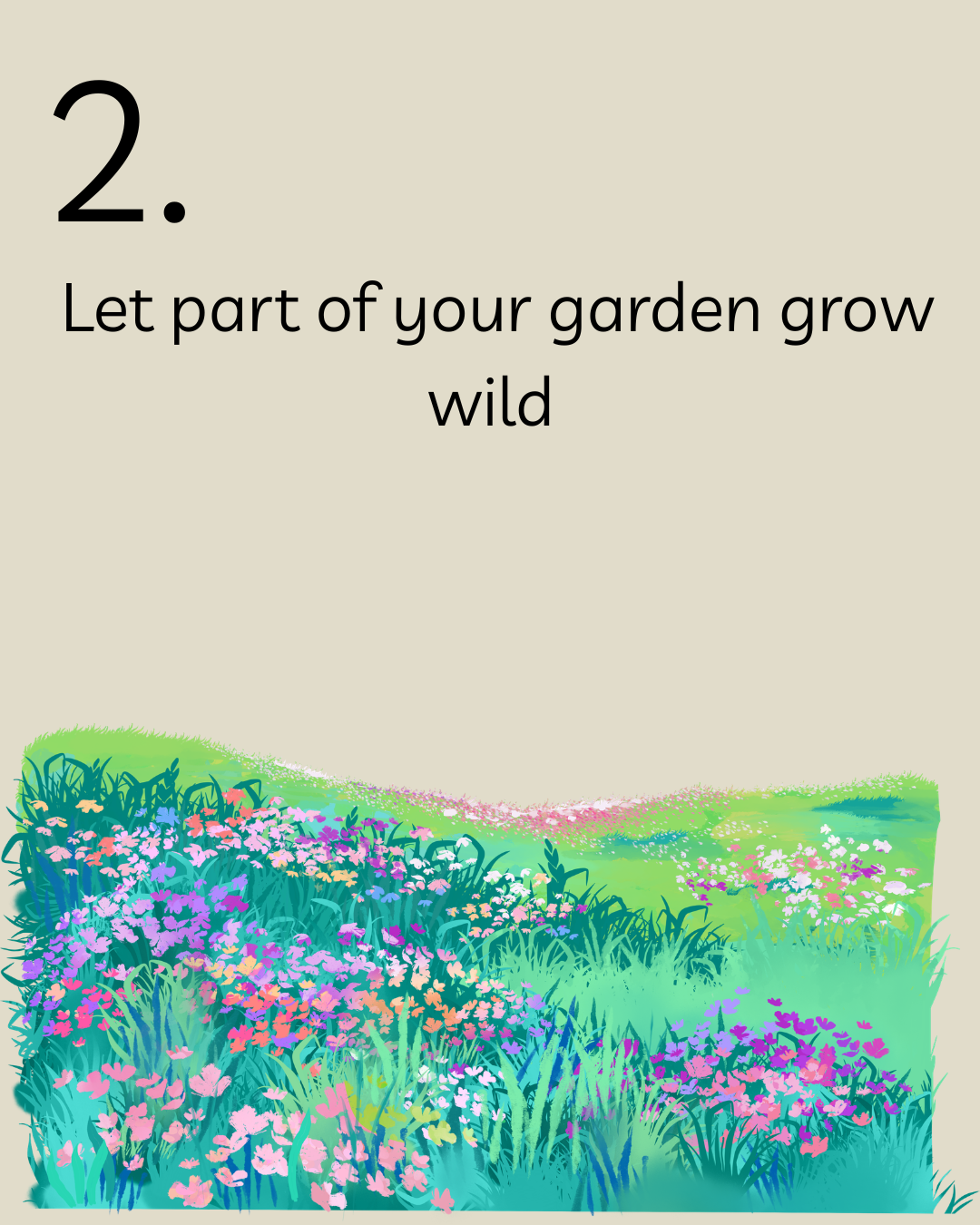
🌿 Let patches of your garden grow wild
Leaving areas of long grass, wildflowers or native vegetation creates valuable habitat for bees, butterflies and other insects. These natural spaces provide food, shelter and breeding sites while boosting biodiversity.
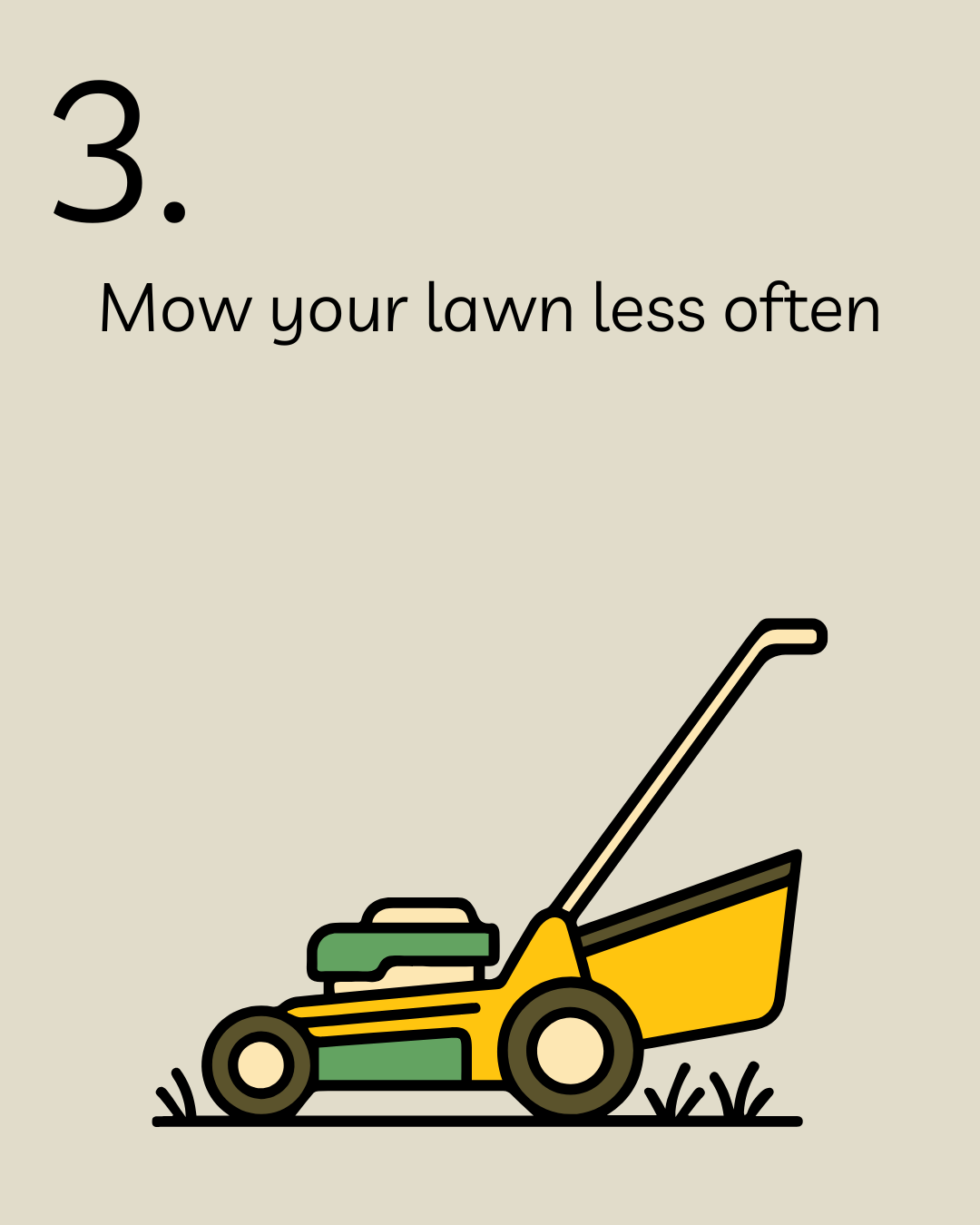
✂️ Cut grass less often
Lawns that are mown less frequently allow flowers such as clover, daisies and dandelions to bloom, providing an important source of nectar for pollinators. Even leaving a small section of your lawn to grow can make a noticeable difference.
🐝 Protect insect nests and hibernation spots
Many insects rely on undisturbed areas such as leaf litter, hollow stems, dead wood and bare soil to nest or overwinter. Avoid disturbing these habitats where possible and consider leaving natural areas untouched throughout the year.
🚫 Think carefully before using pesticides
Pesticides can harm beneficial insects as well as garden pests. Where possible, choose wildlife-friendly alternatives and encourage natural predators to help keep your garden healthy.
Get involved with a Flower-Insect Timed (FIT) Count
This Bees' Needs Week, why not take part in a Flower-Insect Timed (FIT) Count?
FIT Counts are a simple citizen science activity that anyone can do. All you need is 10 minutes, a patch of flowers and some warm, dry weather. Simply observe the insects visiting the flowers and record what you see.
Counts can be carried out anytime between April and September, whether you're in a garden, park, school grounds or local green space.
The data collected helps scientists understand where pollinators live, which habitats they depend on and how their populations are changing over time. Every observation contributes to a bigger picture, helping to inform conservation efforts across the UK.
Every action counts
Protecting pollinators doesn't require major changes. Planting a few extra flowers, letting part of your lawn grow longer or spending ten minutes taking part in a FIT Count are all simple ways to make a positive impact.
📝 Conservation Officer Amber Hanys
