

Endangered Species Day 2026
Endangered Species Day is celebrated on the third Friday of May each year; in 2026, it falls on May 15th. It was established by the Endangered Species Coalition in 2006 to raise awareness and advocate for the protection of threatened wildlife.
According to the International Union for Conservation of Nature (IUCN), over 48,600 species are currently threatened with extinction. Meanwhile, the World Wide Fund for Nature 2024 Living Planet Report highlights that the average size of wildlife populations has declined by 73% since 1970 - largely due to unsustainable, human-driven activities.
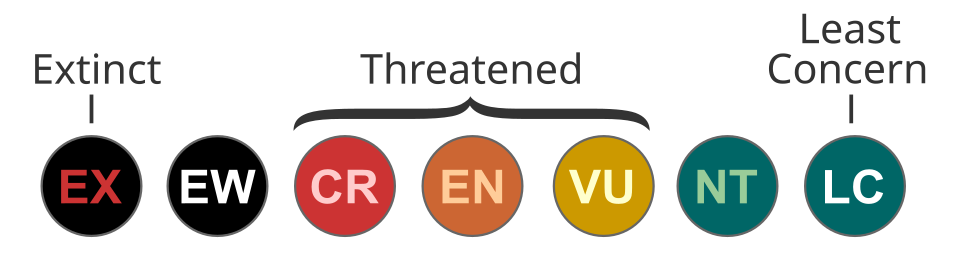
Conservation status categories
Species are classified into eight categories:
Least Concern
Near Threatened
Vulnerable
Endangered
Critically Endangered
Extinct in the Wild
Extinct
Data Deficient
“Endangered species” is often used as an umbrella term for those listed as:
Critically Endangered – extremely high risk of extinction in the wild
Endangered – very high risk of extinction in the wild
Vulnerable – high risk of extinction in the wild
Spotlight on endangered species at SOS
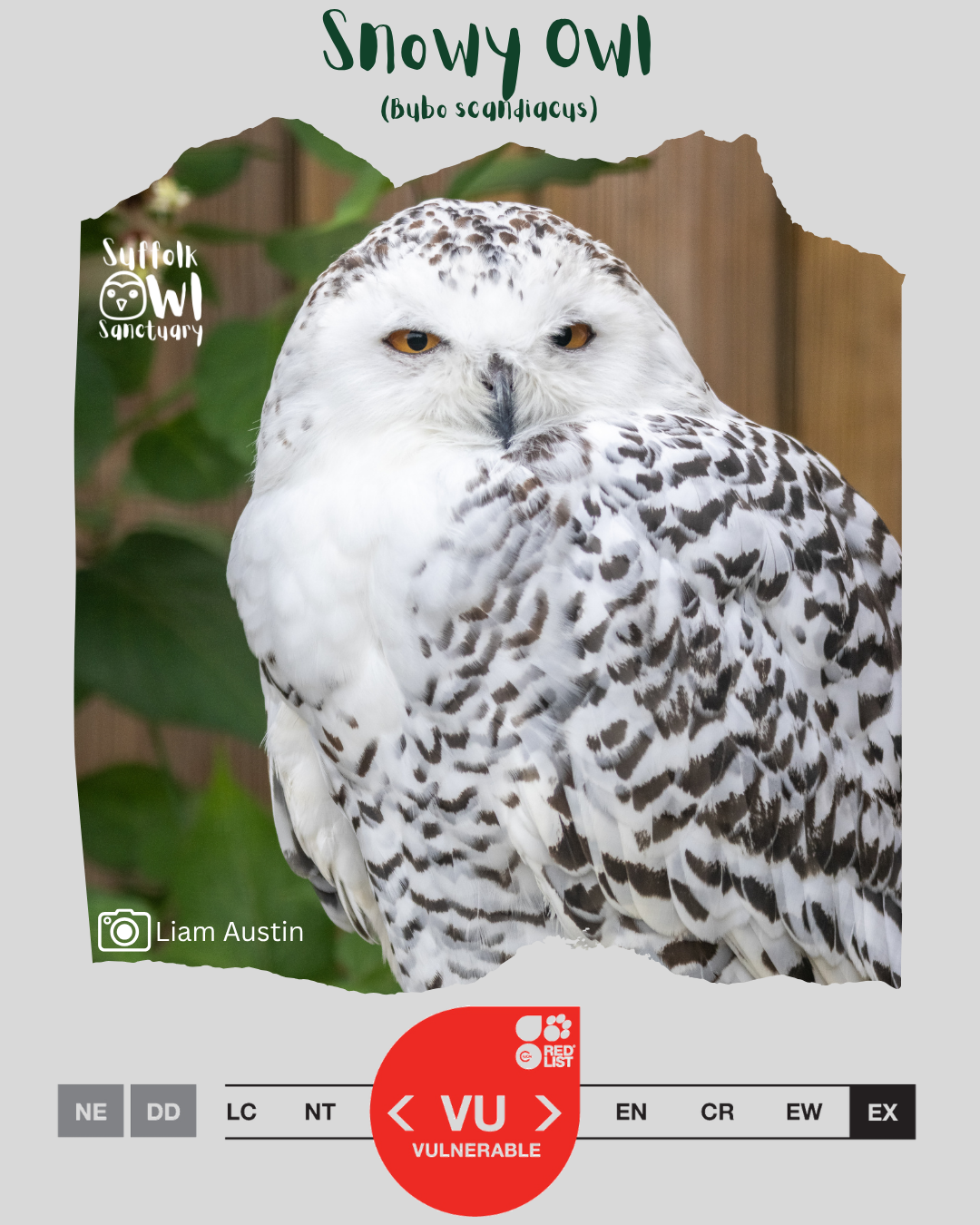
Snowy Owl – Vulnerable
Snowy Owl populations have declined rapidly since 1970 (by around 64%), driven by climate change, habitat loss, and increasing human-related threats. Climate change is altering the timing of spring and snowmelt, which affects the breeding cycles and survival of lemmings - the owl’s primary food source. Without enough prey, breeding success drops significantly.
Urbanisation and environmental change have also reduced suitable nesting habitats. During migration, many Snowy Owls are killed through collisions with vehicles, power lines, and aircraft.
Conservation efforts include:
Protecting Arctic breeding grounds from development
Scientific tracking to better understand migration, habitat use, and causes of mortality
Advocacy and legal protection to safeguard habitats and strengthen wildlife laws
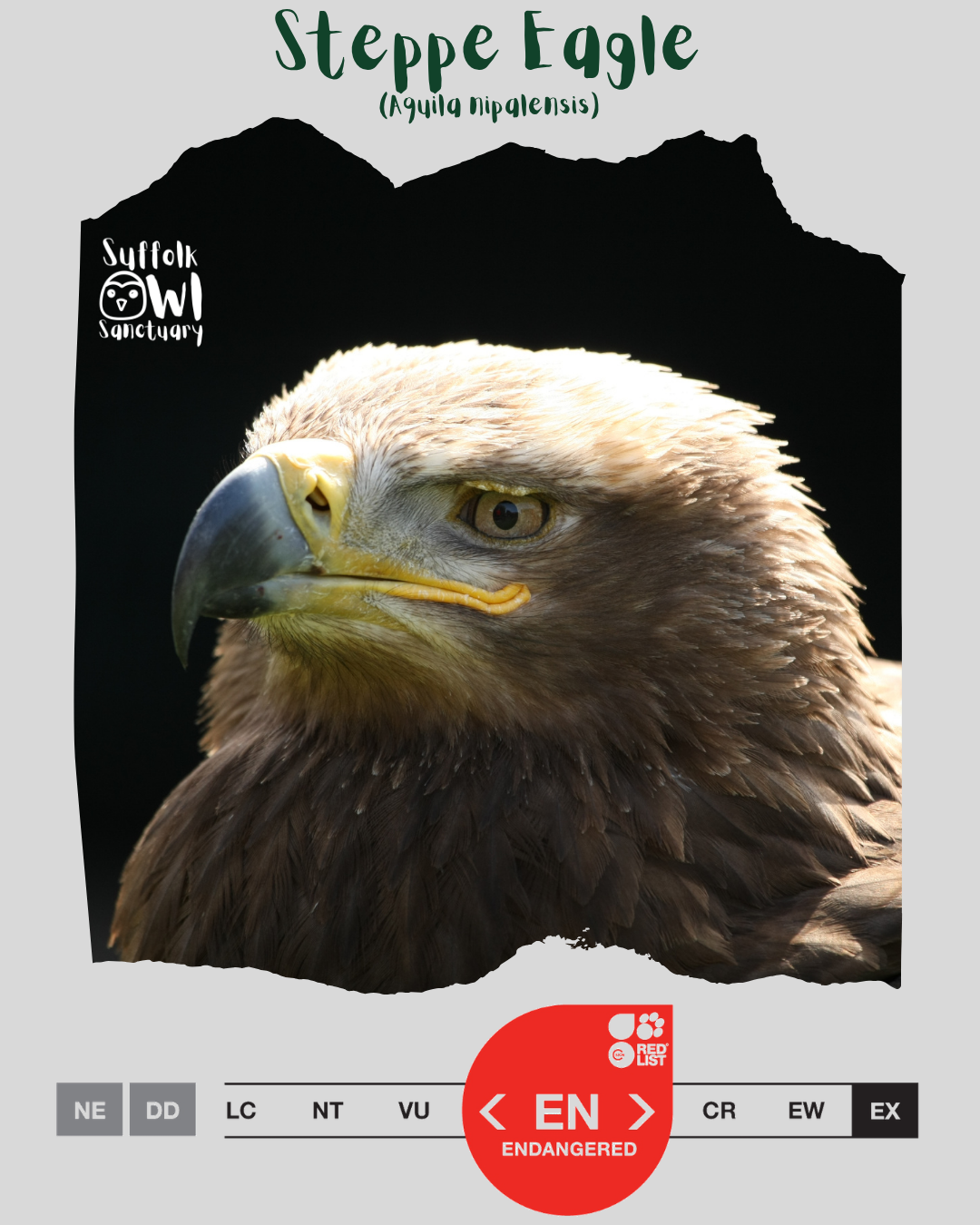
Steppe Eagle – Endangered
Steppe Eagles have experienced a population decline of over 50% since 1997. This is largely due to habitat loss from agricultural expansion, electrocution on power lines, poisoning, and persecution along migratory routes.
In Kazakhstan, a key breeding stronghold, they are among the raptors most frequently killed by power line electrocution. Their native steppe grasslands are increasingly converted to farmland, reducing both nesting sites and prey availability. Climate change is also intensifying wildfires and habitat degradation, further threatening breeding success.
Conservation efforts include:
Installing bird-protective devices (BPDs) on dangerous power lines
Tracking and research to map migration routes and key habitats
Habitat protection and restoration
Artificial nesting platforms to improve breeding success and reduce predation
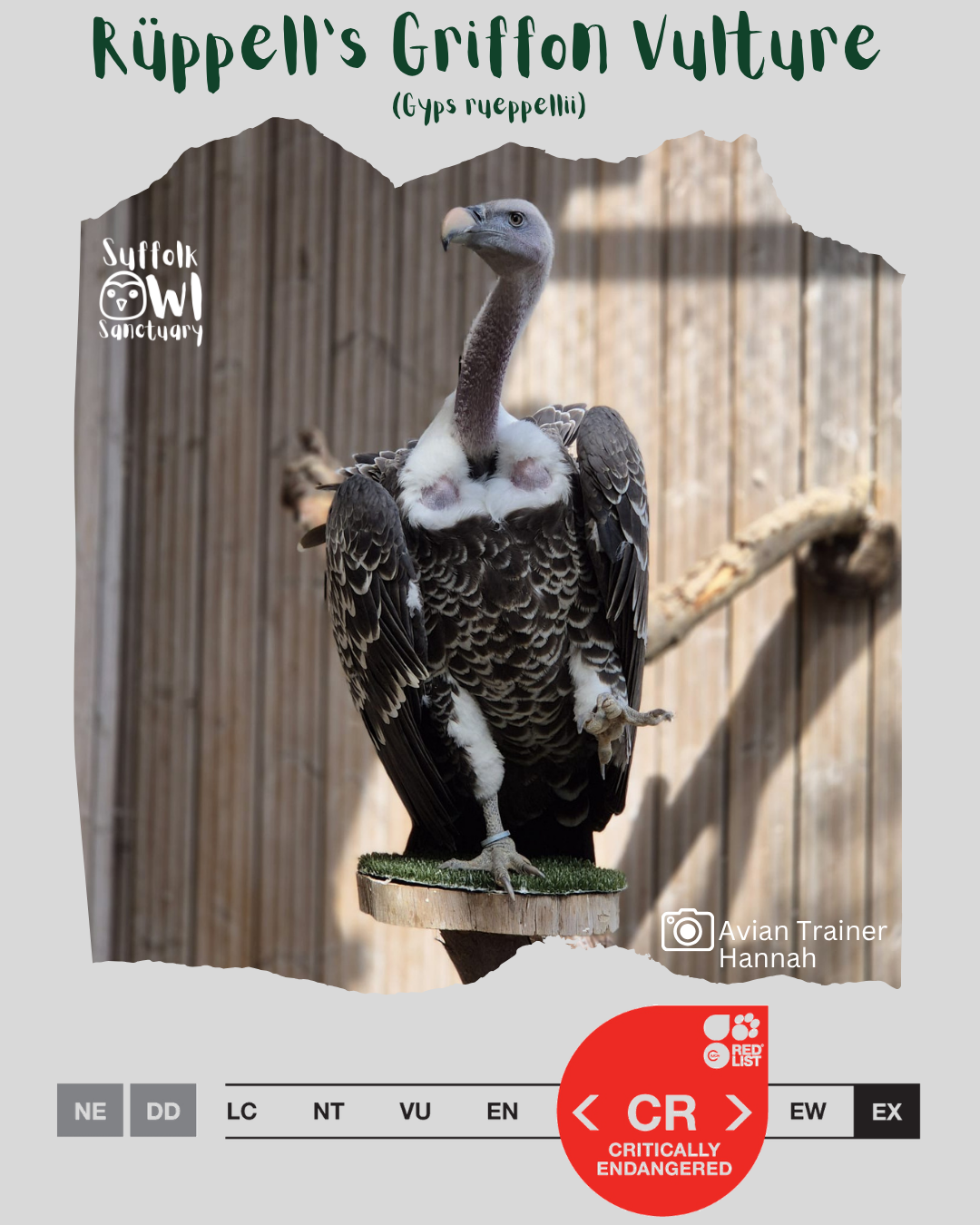
Vultures – Critically Endangered
Hooded Vulture
Rüppell’s Griffon Vulture
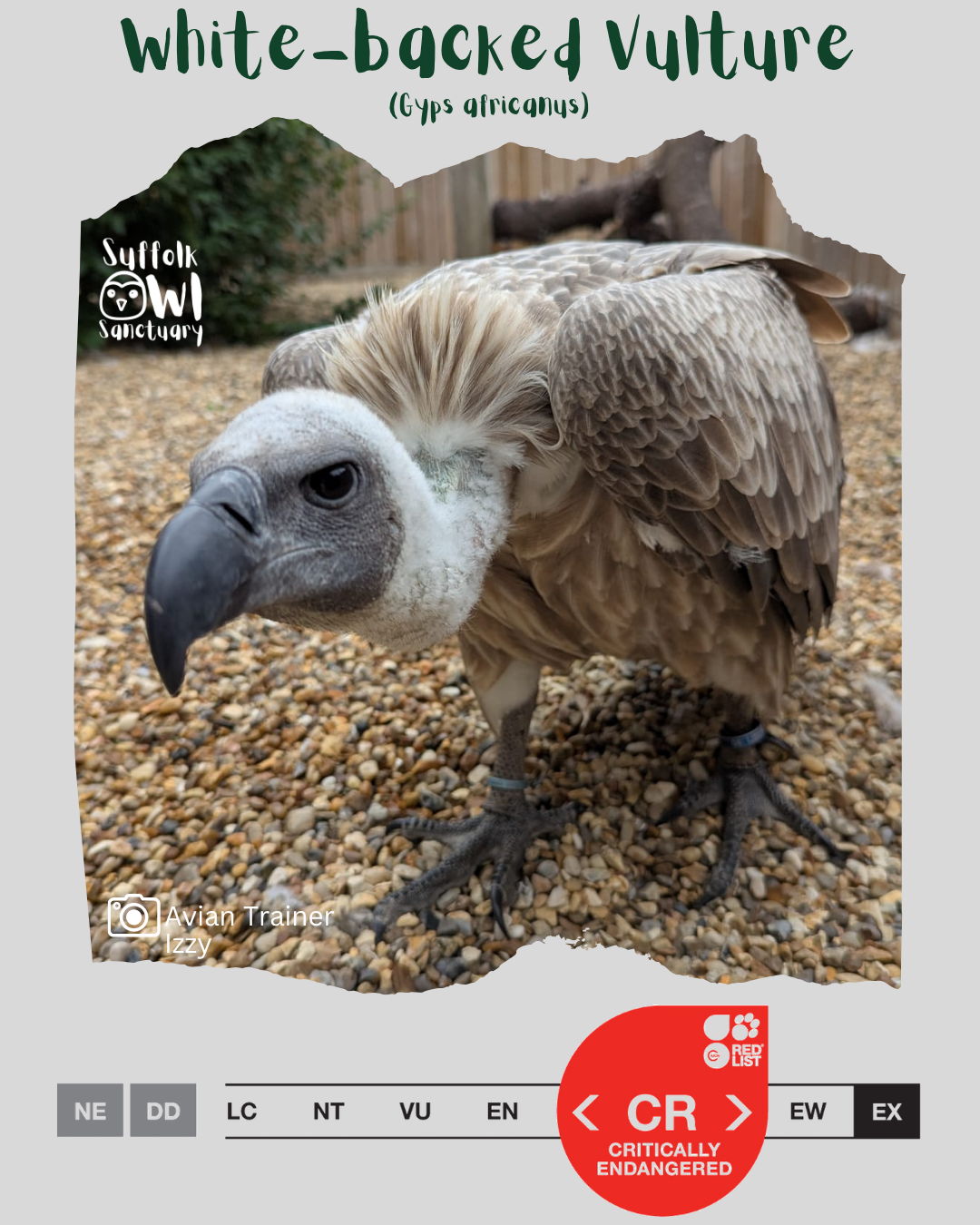
White-backed Vulture
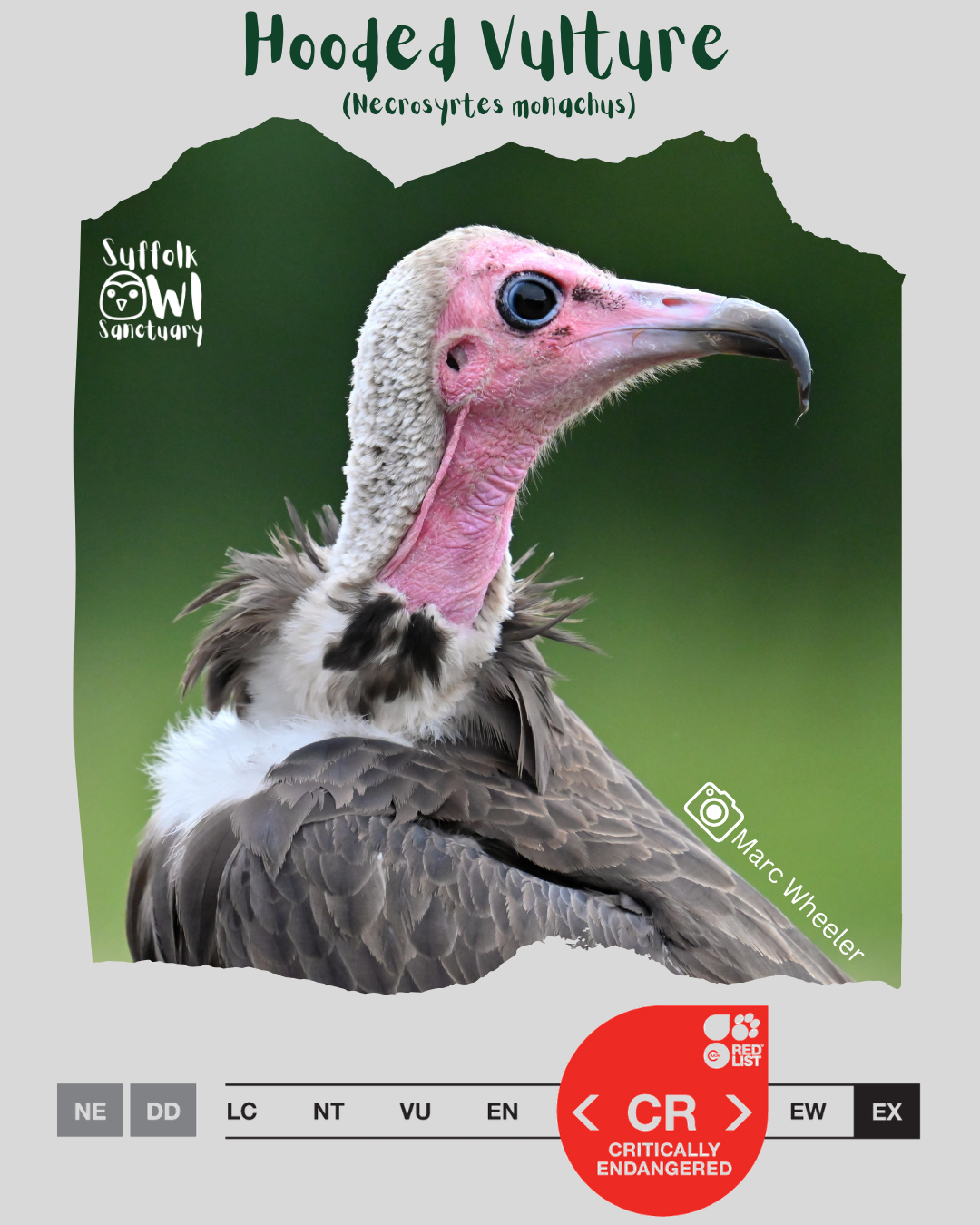
All three species are listed as Critically Endangered due to rapid population declines caused by poisoning, collisions with infrastructure, and habitat loss.
Poisoning is the most significant threat. Vultures are often killed unintentionally by poisoned carcasses intended for predators such as lions or jackals, or through deliberate poisoning by poachers. Because vultures circle visibly above carcasses, they can reveal illegal hunting activity. To avoid detection, poachers may poison carcasses, killing hundreds of vultures at once due to their social feeding behaviour.
With slow reproduction rates, even small increases in mortality have severe population impacts. Loss of safe nesting and feeding areas further compounds the issue.
Conservation efforts include:
Captive breeding and reintroduction programmes
Tracking and monitoring released individuals
Raising public awareness about the ecological importance of vultures
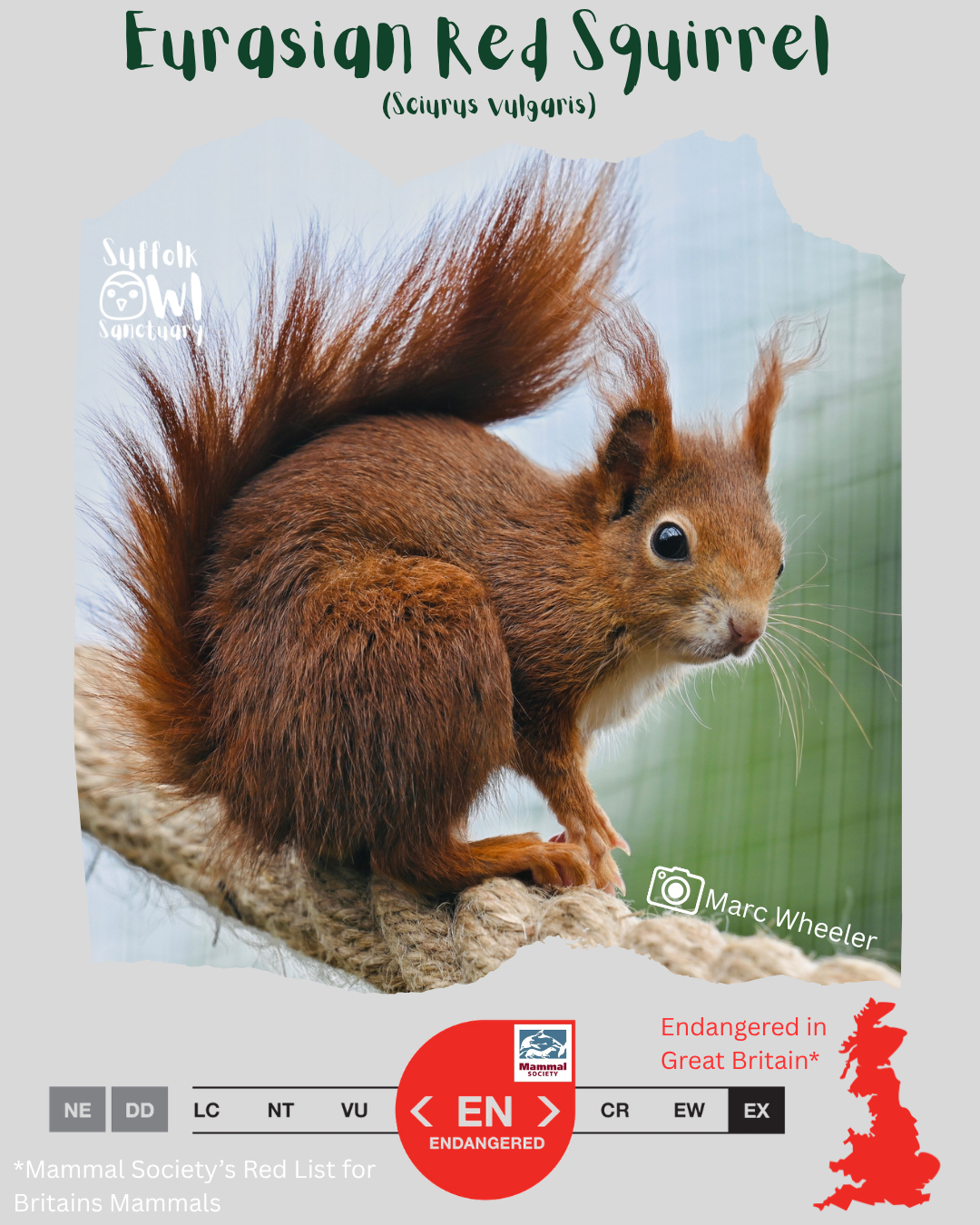
Red Squirrels – Endangered in Great Britain
Red Squirrels were once widespread across Britain but have declined dramatically since the introduction of the non-native Eastern Grey Squirrel in the 1800s. Today, they survive only in limited areas due to ongoing conservation efforts.
Grey Squirrels are larger, more adaptable, and outcompete Red Squirrels for food and habitat. They also carry the squirrelpox virus, which is harmless to them but often fatal to Reds.
Globally, Red Squirrels are classified as Least Concern by the IUCN, meaning their overall population is stable. However, within Great Britain they are listed as endangered on the Mammal Society’s Red List due to their severe local decline.
Conservation efforts include:
Monitoring populations and tracking Grey Squirrel presence in protected areas
Managing and controlling Grey Squirrel populations
Reintroduction and translocation programmes
Conservation breeding to support population recovery and raise awareness
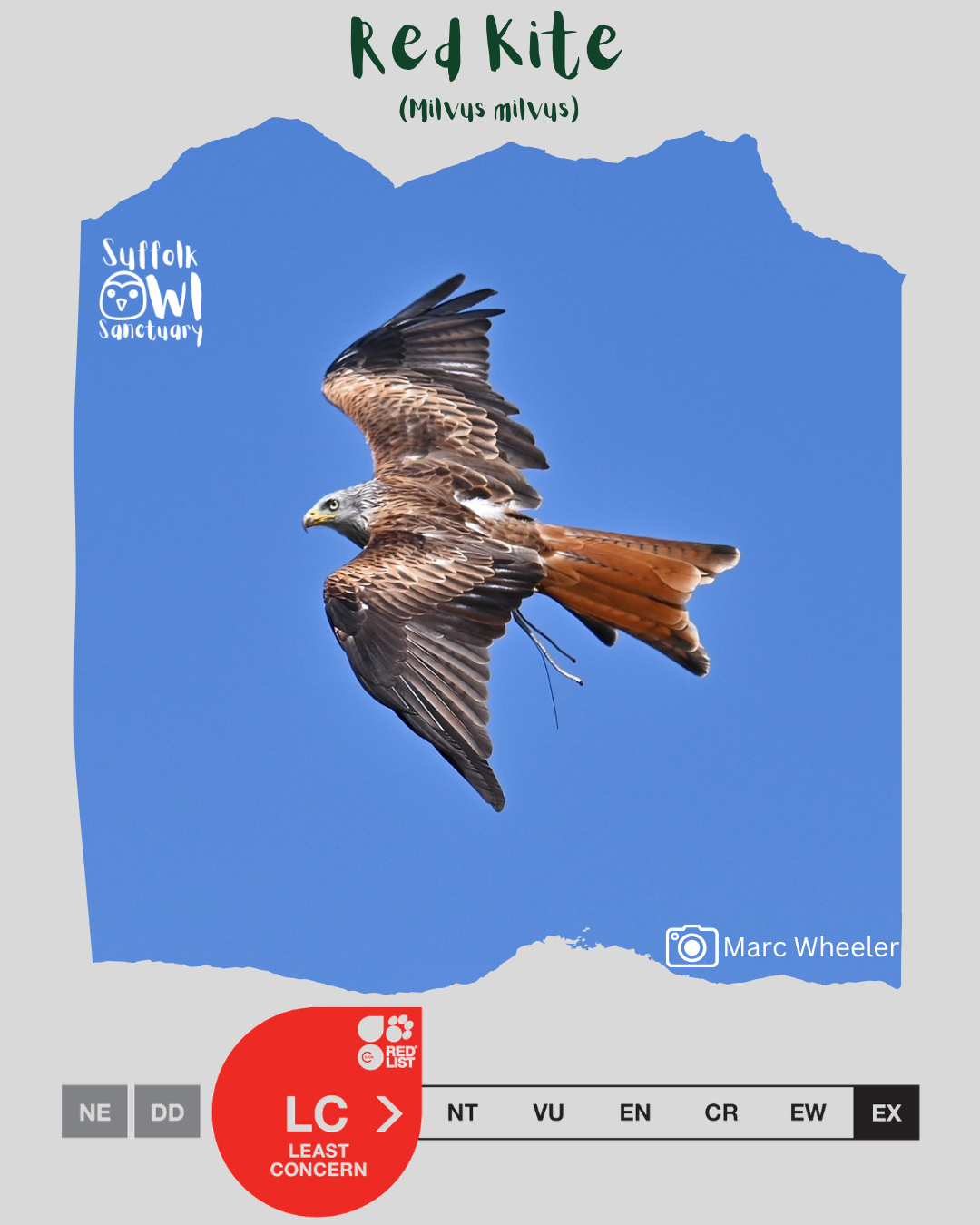
A conservation success story: The Red Kite
It’s not all doom and gloom. One of the UK’s greatest conservation success stories is the Red Kite.
By the late 19th century, Red Kites had been driven to extinction in England and Scotland due to intense human persecution, including hunting, poisoning, and egg collecting. They were wrongly viewed as a threat to livestock and game birds.
In 1989, extensive reintroduction and conservation programmes began across the UK. Thanks to legal protection, careful monitoring, and dedicated conservation efforts, Red Kite populations made a remarkable recovery. Today, they are once again a familiar sight soaring across our skies - showing that with the right action and support, species can recover from the brink of extinction.
What can you do?
Support conservation organisations and wildlife charities
Reduce your environmental impact (waste, energy use, sustainable choices)
Avoid products linked to habitat destruction or wildlife exploitation
Report wildlife crime and support ethical tourism
Raise awareness by sharing information and learning more
Protecting endangered species helps protect entire ecosystems - and ultimately, our planet.
Learn more at https://www.endangered.org/endangered-species-day/
📝 Conservation Officer Amber Hanys
