

Rescue and rehabilitation of animals is a careful process that should not be taken lightly. Helping when it is not needed can be detrimental to the animal and cause more problems than good. Unnecessary intervention can separate animals from their parents, increase stress, or reduce their chances of surviving in the wild. Birds, especially birds of prey, can be very good at hiding illness or injury. This is why properly assessing the situation is crucial before attempting to help. Taking a few moments to observe the bird from a safe distance can often tell you whether intervention is actually needed.
Adult Birds
In most cases, if an adult bird of prey lets you approach or touch it, there is a high chance that something is wrong. Healthy birds are naturally wary of people and will usually fly away before you get close. If you find an injured or unwell bird of prey, seek advice from a wildlife rehabilitation centre or veterinary practice before attempting to handle the bird.
Young Birds
Young birds found on the ground do not always need rescuing. The first step is identifying whether the bird is a nestling or a fledgling, as this will usually determine whether intervention is needed.
Nestlings
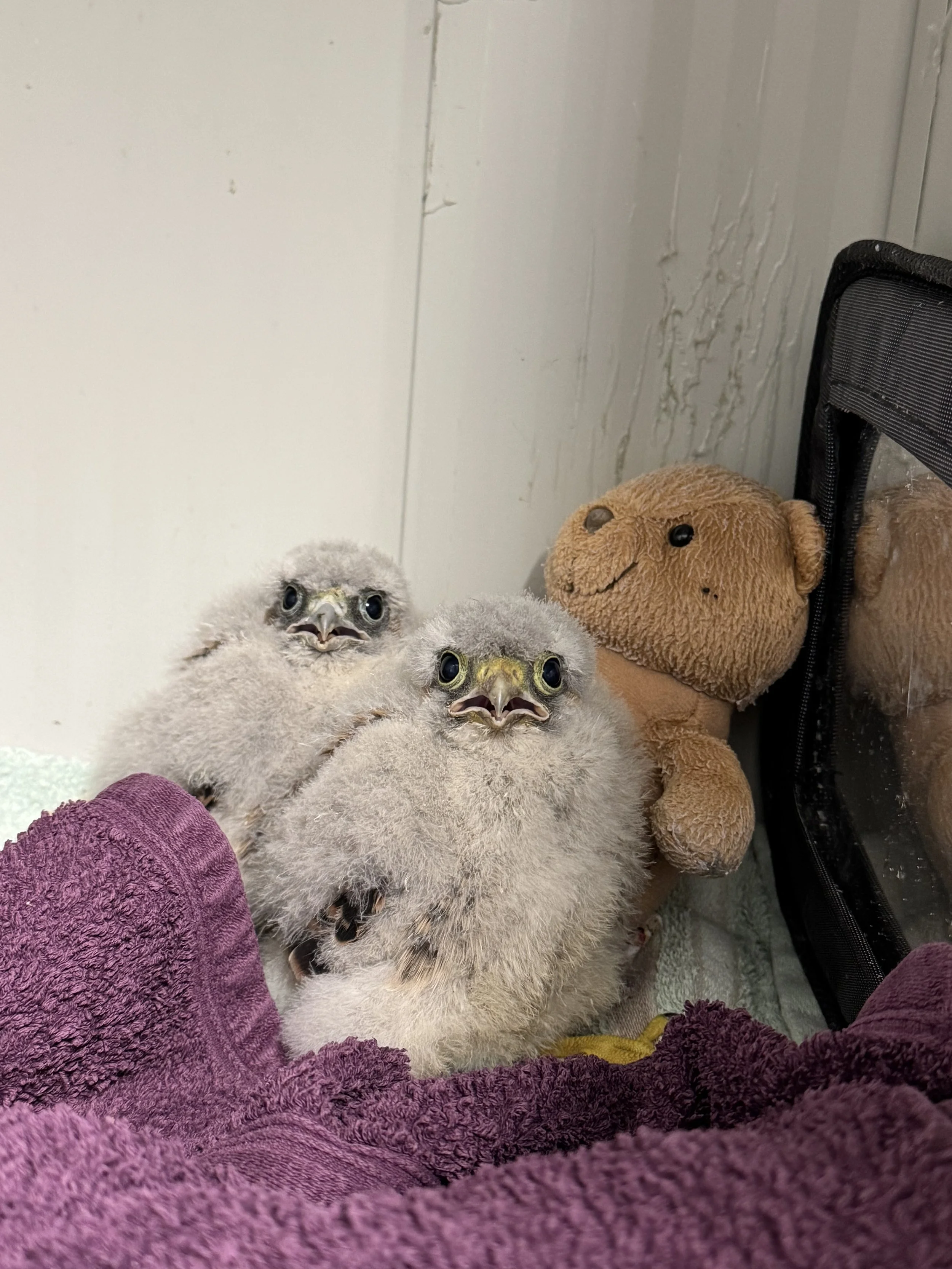
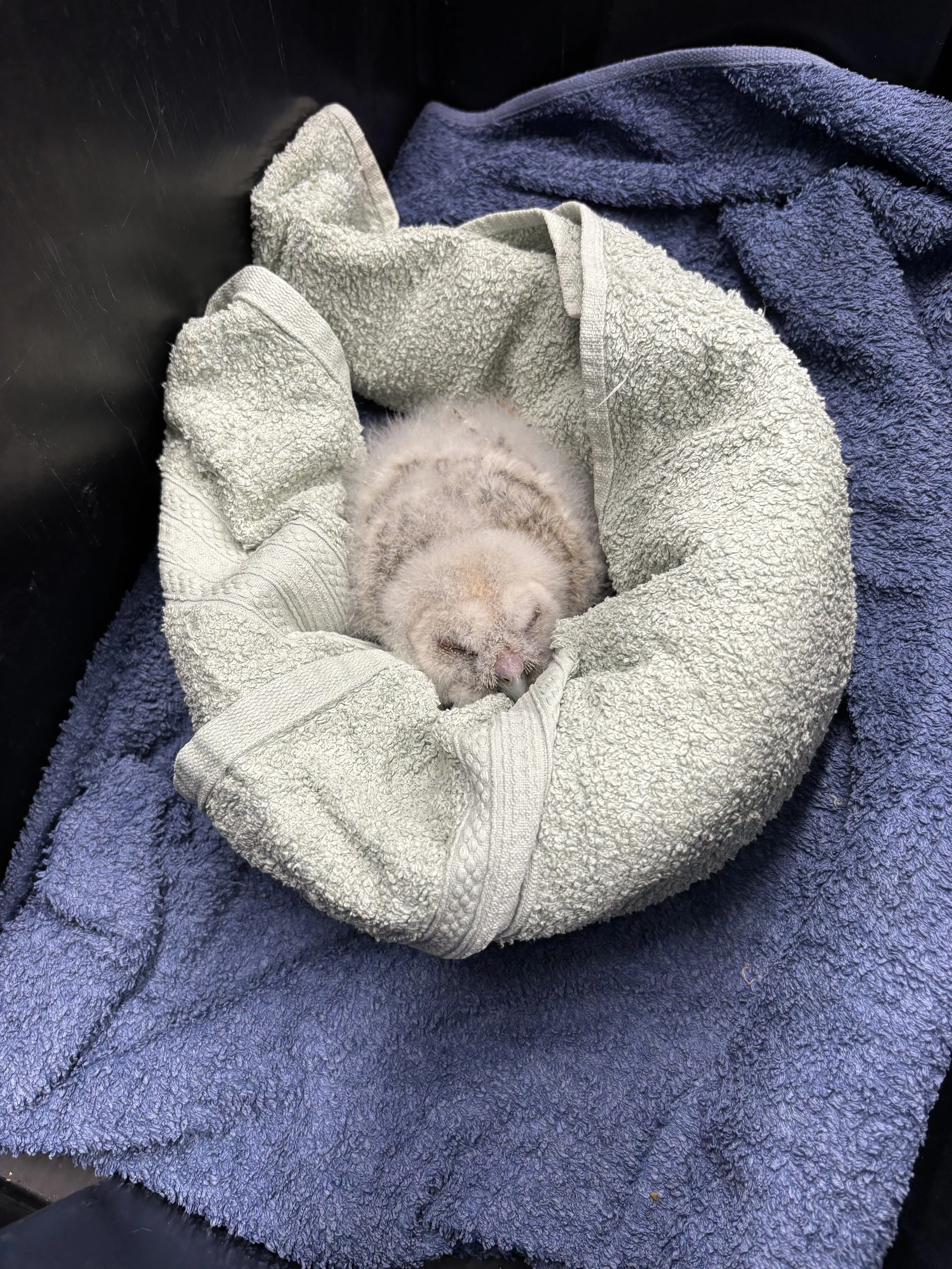
Nestlings are very young birds that are not yet ready to leave the nest. They may be covered in down feathers, which is the fine, fluffy undercoat beneath the adult feathers. If a bird leaves the nest too early, it is vulnerable to cold, starvation, predators and other dangers, and is unlikely to survive without help.
If you find a nestling on the ground and you can safely return it to its nest, this should always be the first option. If the nest cannot be reached, or the bird appears injured, contact a wildlife rehabilitation centre or veterinary practice for advice before attempting further intervention.
Fledglings
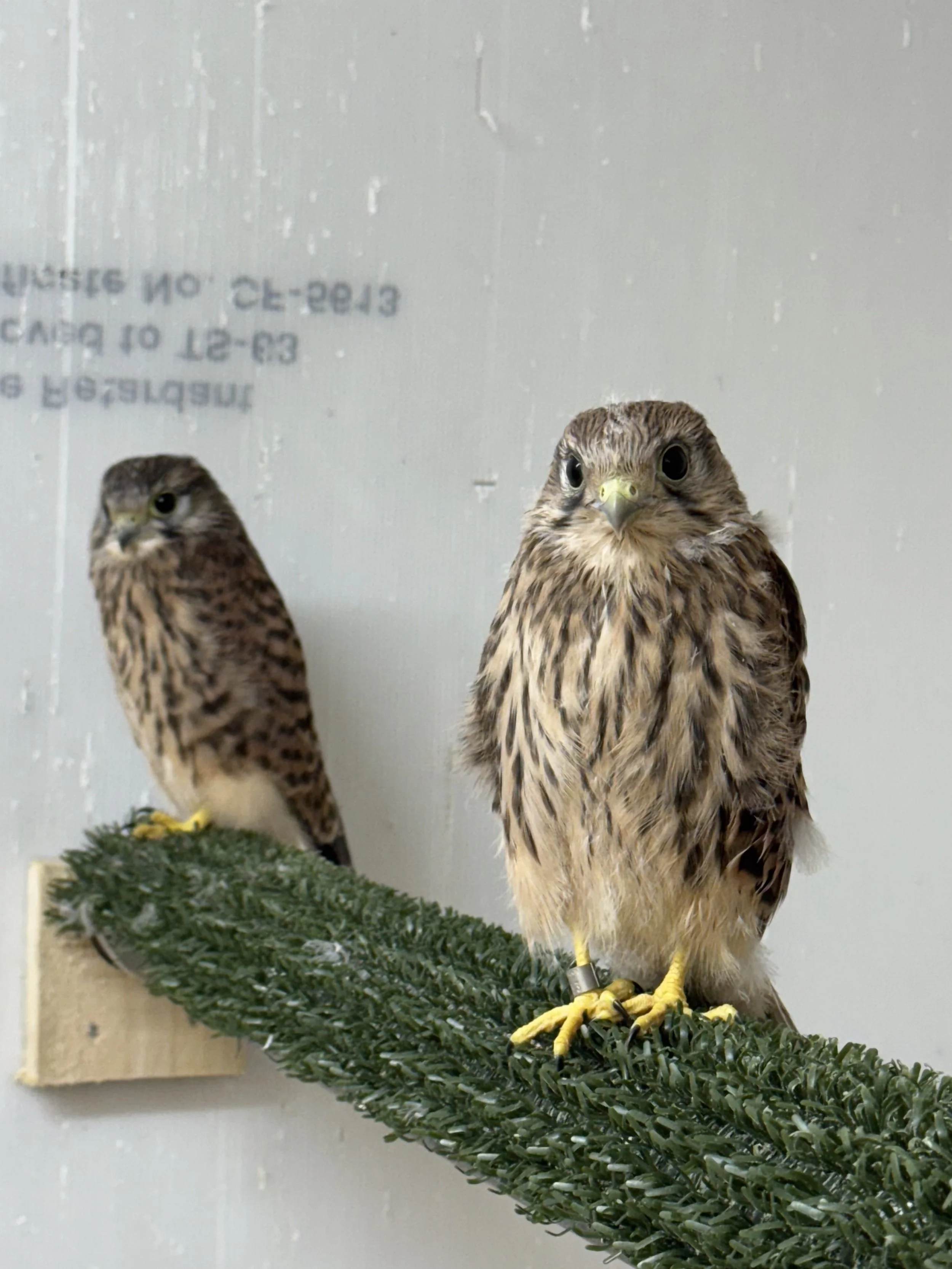
During spring and early summer, many young birds of prey leave the nest as part of their normal development. These youngsters are often mistaken for injured or abandoned birds when, in fact, their parents are usually close by and continuing to care for them. Fledglings spend time on the ground or in low branches while they strengthen their wings and learn to fly. They may have only a few downy feathers remaining amongst their adult plumage and, although they may appear vulnerable, this is an important stage of their development. Removing a healthy young bird unnecessarily can separate it from its parents and significantly reduce its chances of survival in the wild. If the bird is bright, alert and uninjured, the best course of action is usually to leave it where it is and observe from a distance. The parents will often return once people have moved away.
Common Birds of Prey
The following are some of the most common young birds of prey that people contact us about. Although the guidance above applies in most cases, there are some important differences between species.
Tawny Owls
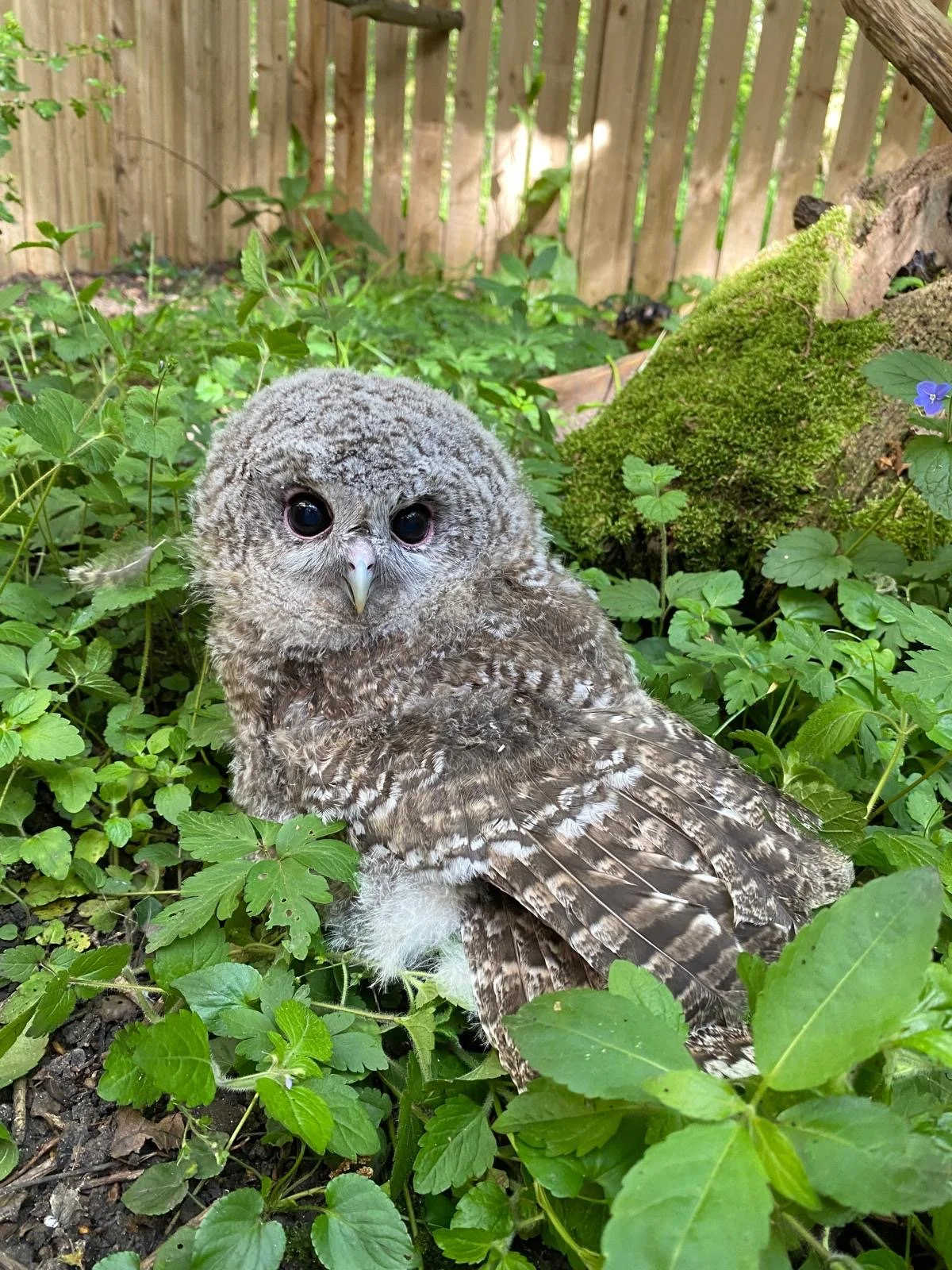
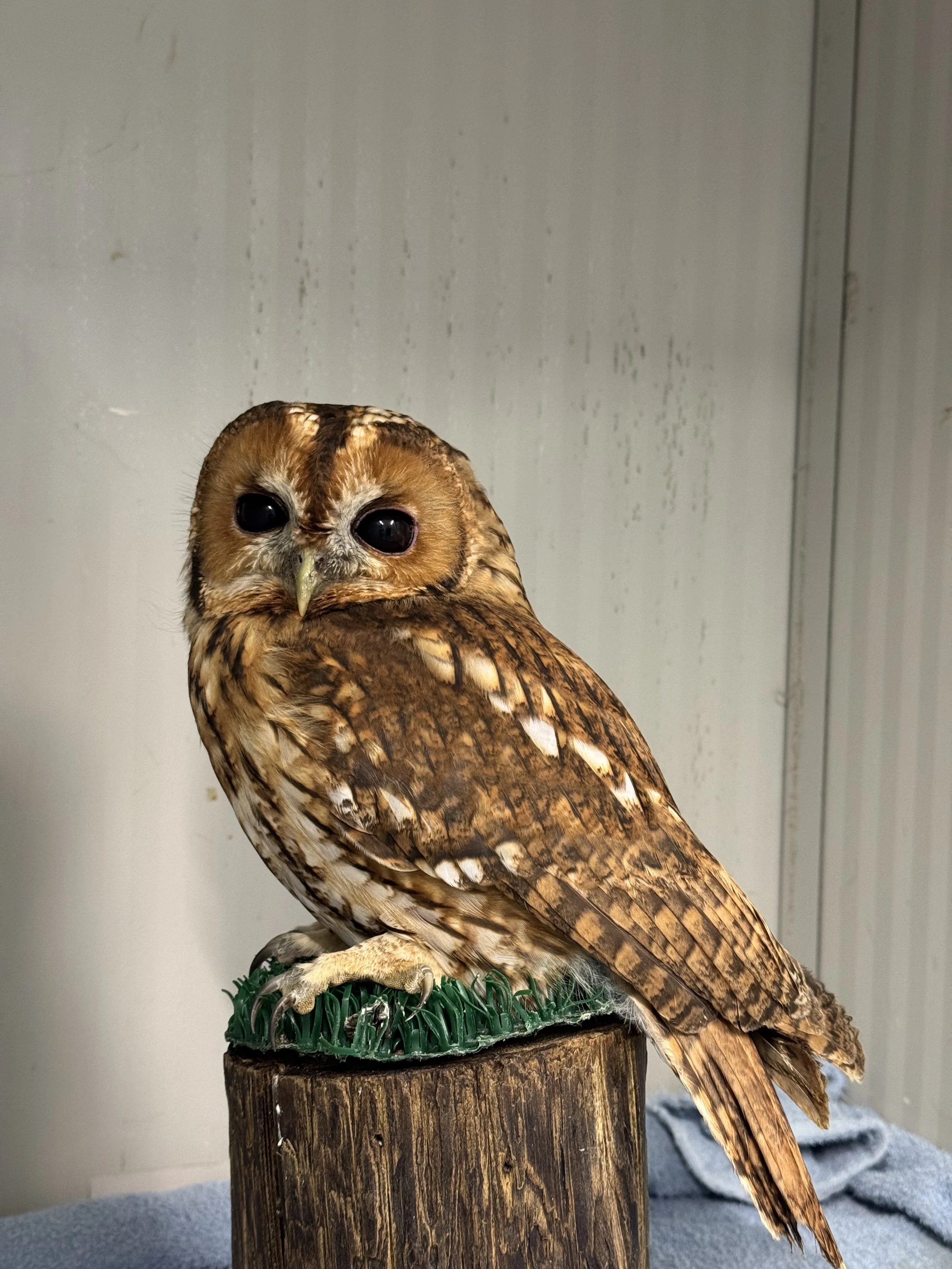
Before fledging, Tawny Owlets leave the nest before they can properly fly and move between nearby branches in a process called branching. They are often mistaken for nestlings as they are still covered in a lot of down, but their parents will continue to feed and protect them during this time, even if they are on the ground. Tawny Owlets are very capable climbers and can make their way back up a tree using their beak and talons.
If you find a Tawny Owlet on the ground, this is normal behaviour and the best way to help is to either leave it alone or place it on a nearby branch or another elevated, sheltered position close to where it was found. However, if the owlet appears too young to be out of the nest, is visibly injured, weak, or is found close to immediate dangers such as busy roads, dogs or deep water, help may be needed. Always contact a wildlife rehabilitation centre or veterinary practice for advice before intervening.
Barn Owls
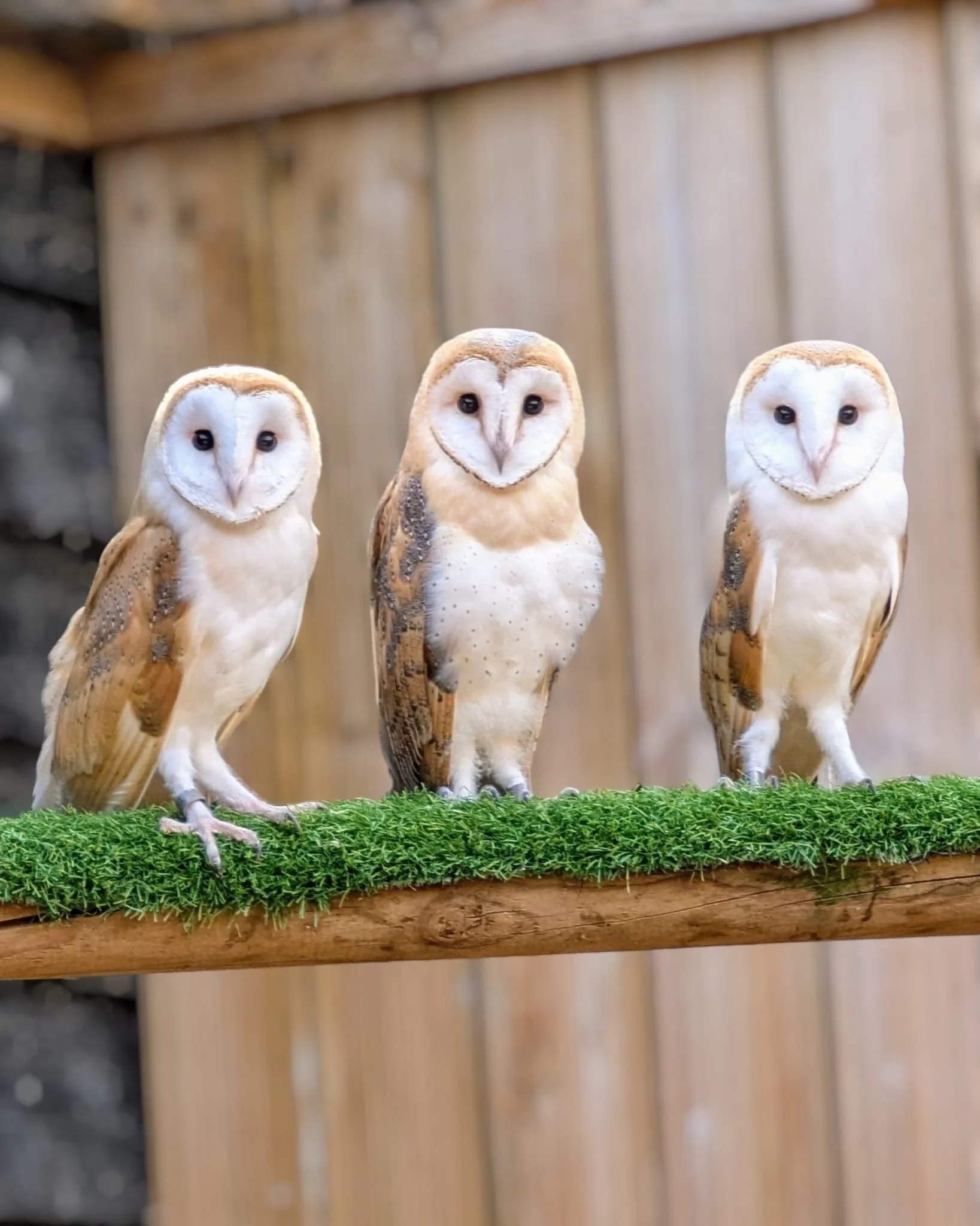
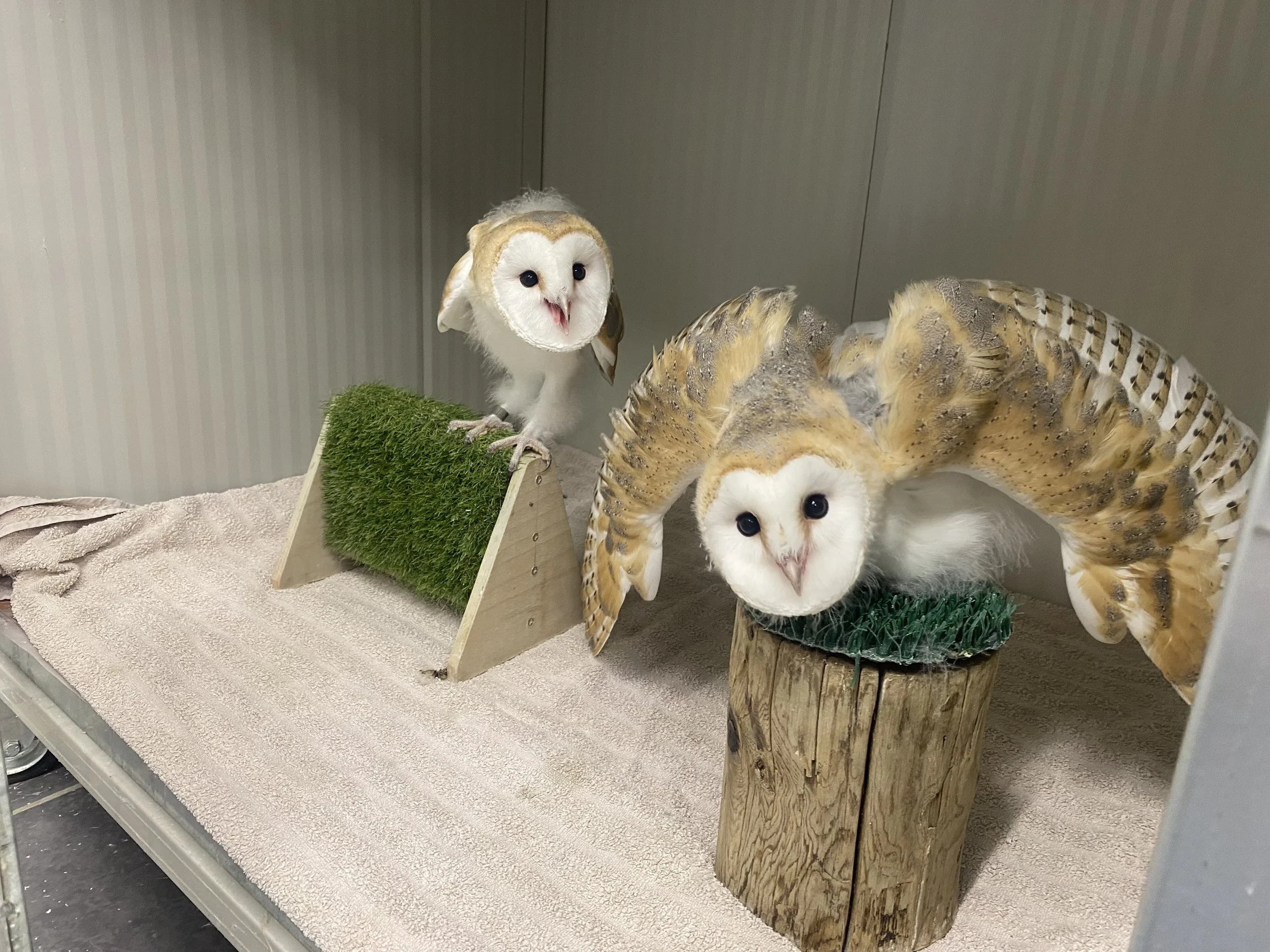
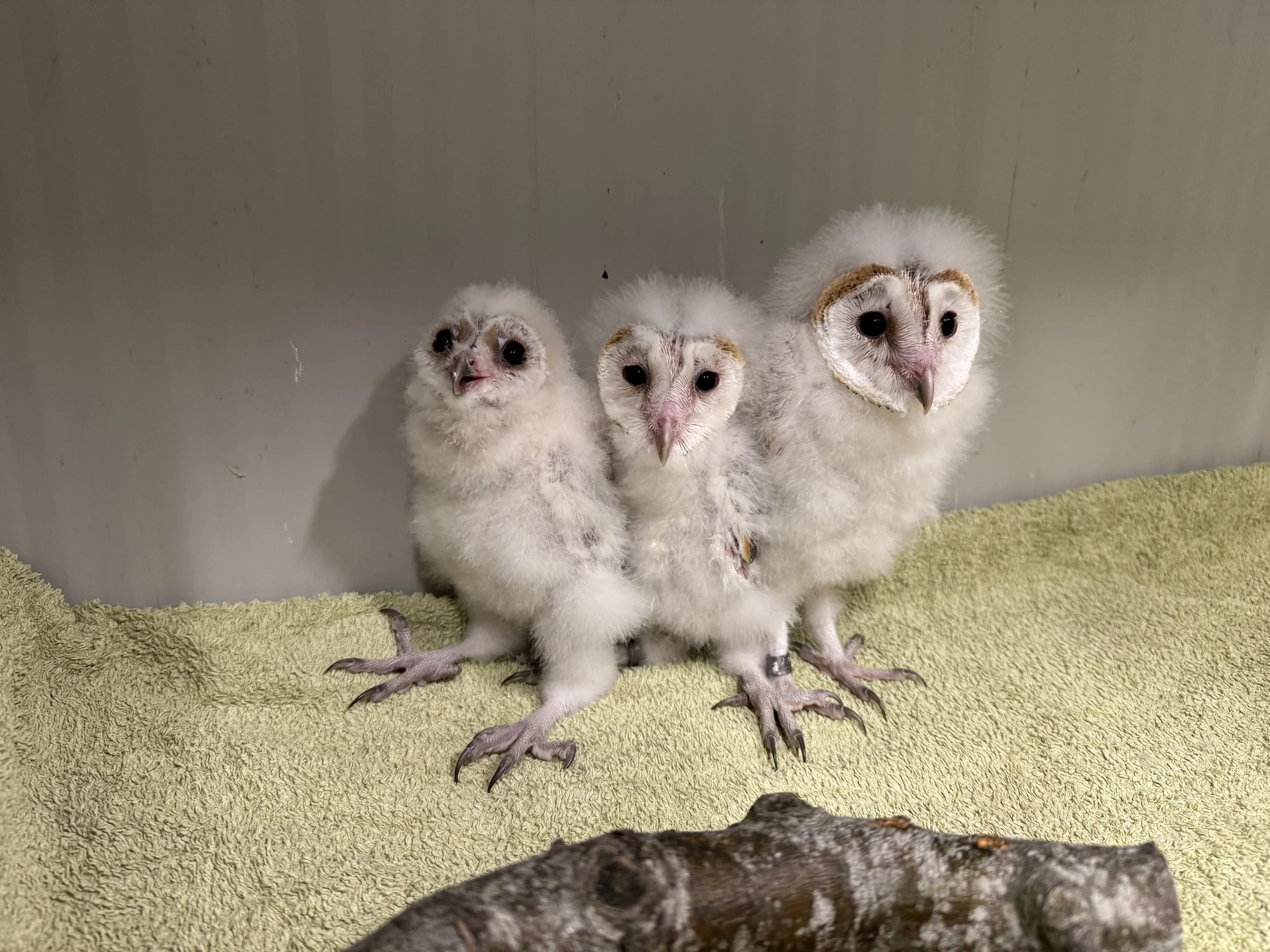
Barn Owls are very different from Tawny Owls. Unlike Tawny Owlets, Barn Owl chicks remain in the nest until they are capable of flight. If they leave or fall from the nest too early, the parents will not continue to feed or care for them on the ground. Barn Owls are a specially protected species under Schedule 1 of the Wildlife and Countryside Act 1981. While all wild birds, their nests and eggs are protected by law, Schedule 1 species receive an enhanced level of legal protection, so it is important to seek advice before intervening.
If you find a young Barn Owl out of the nest, it should always be treated as needing assistance. Contact a wildlife rehabilitation centre or veterinary practice as soon as possible for advice.
Other Birds of Prey
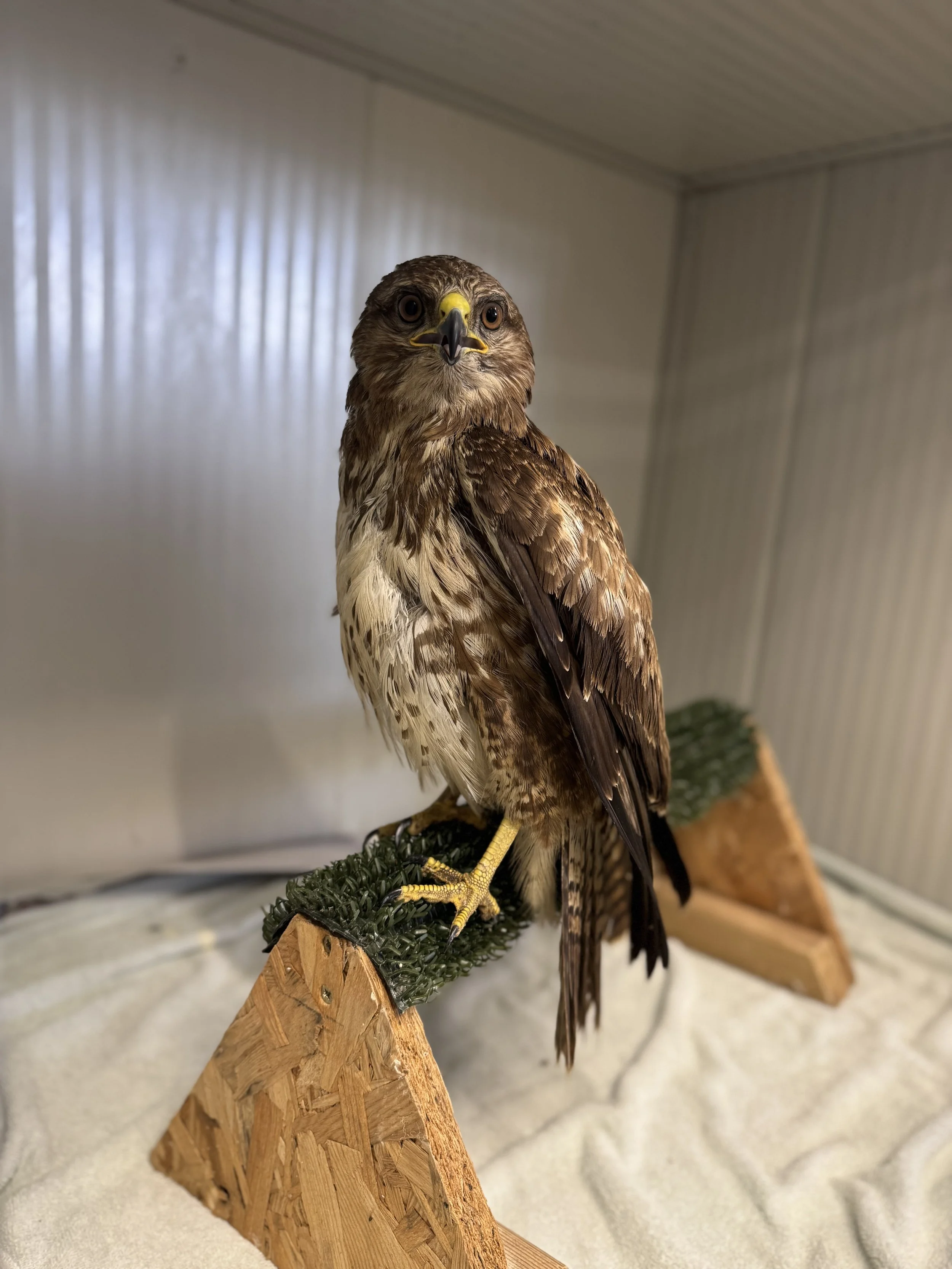
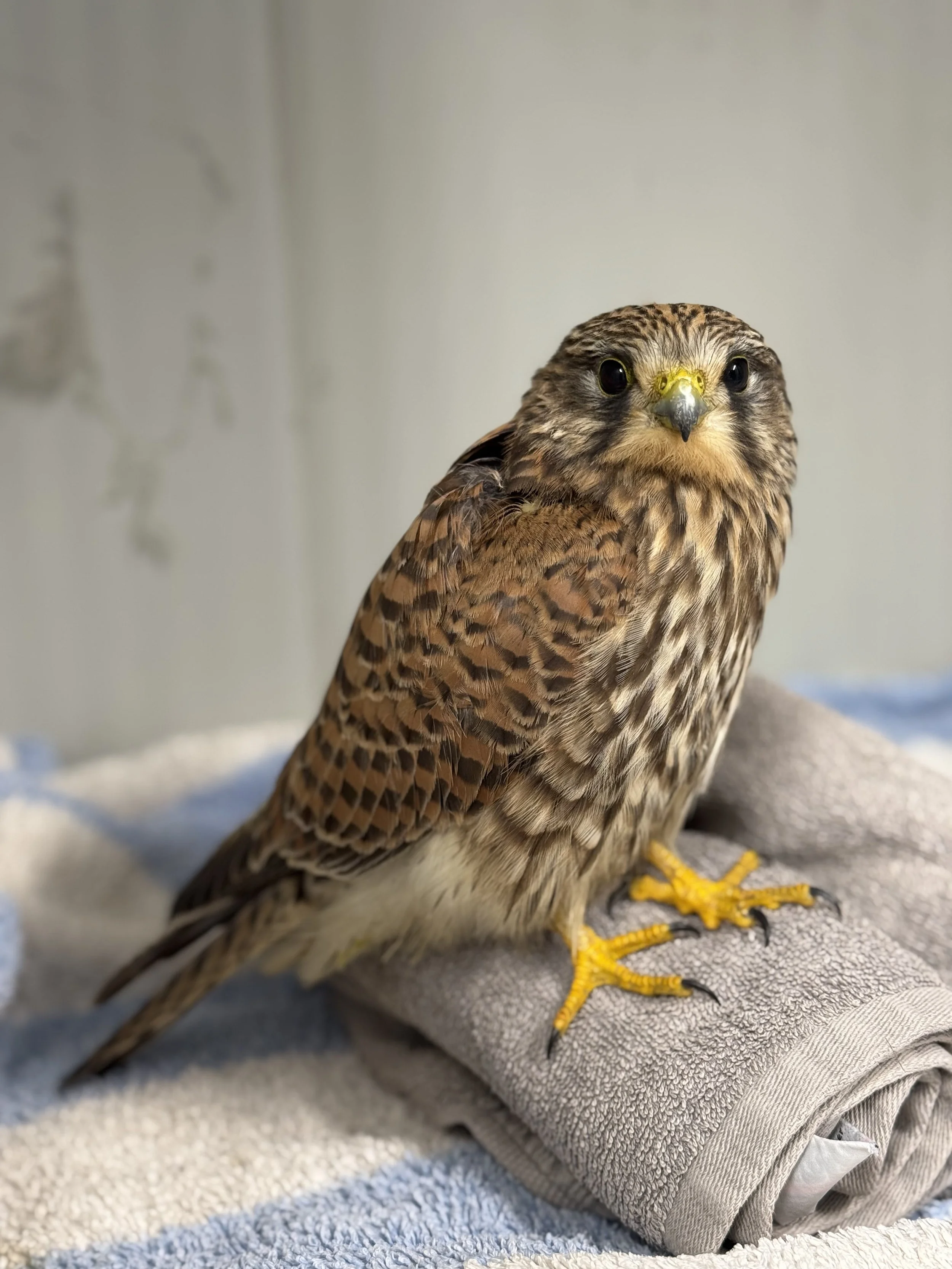
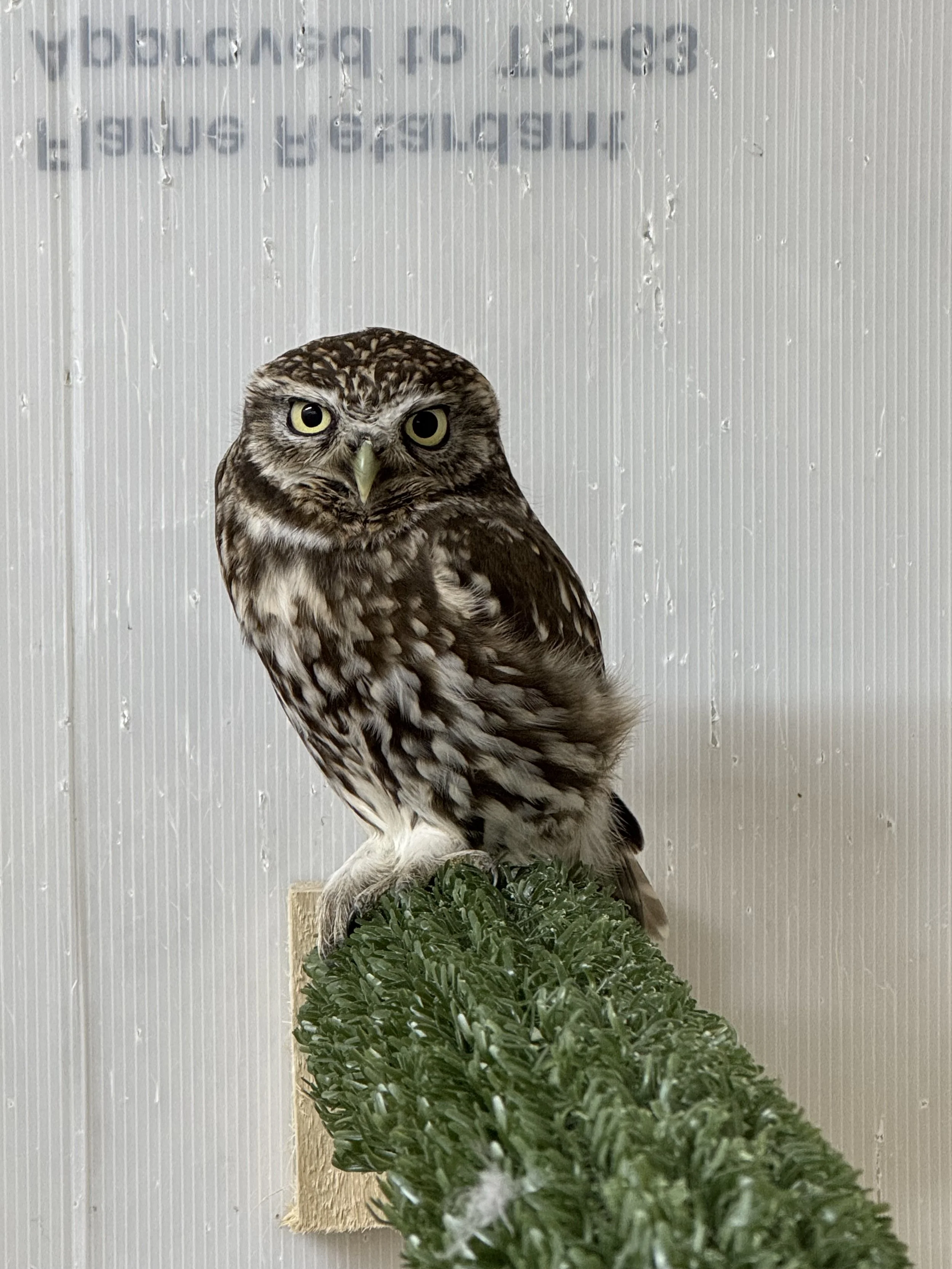
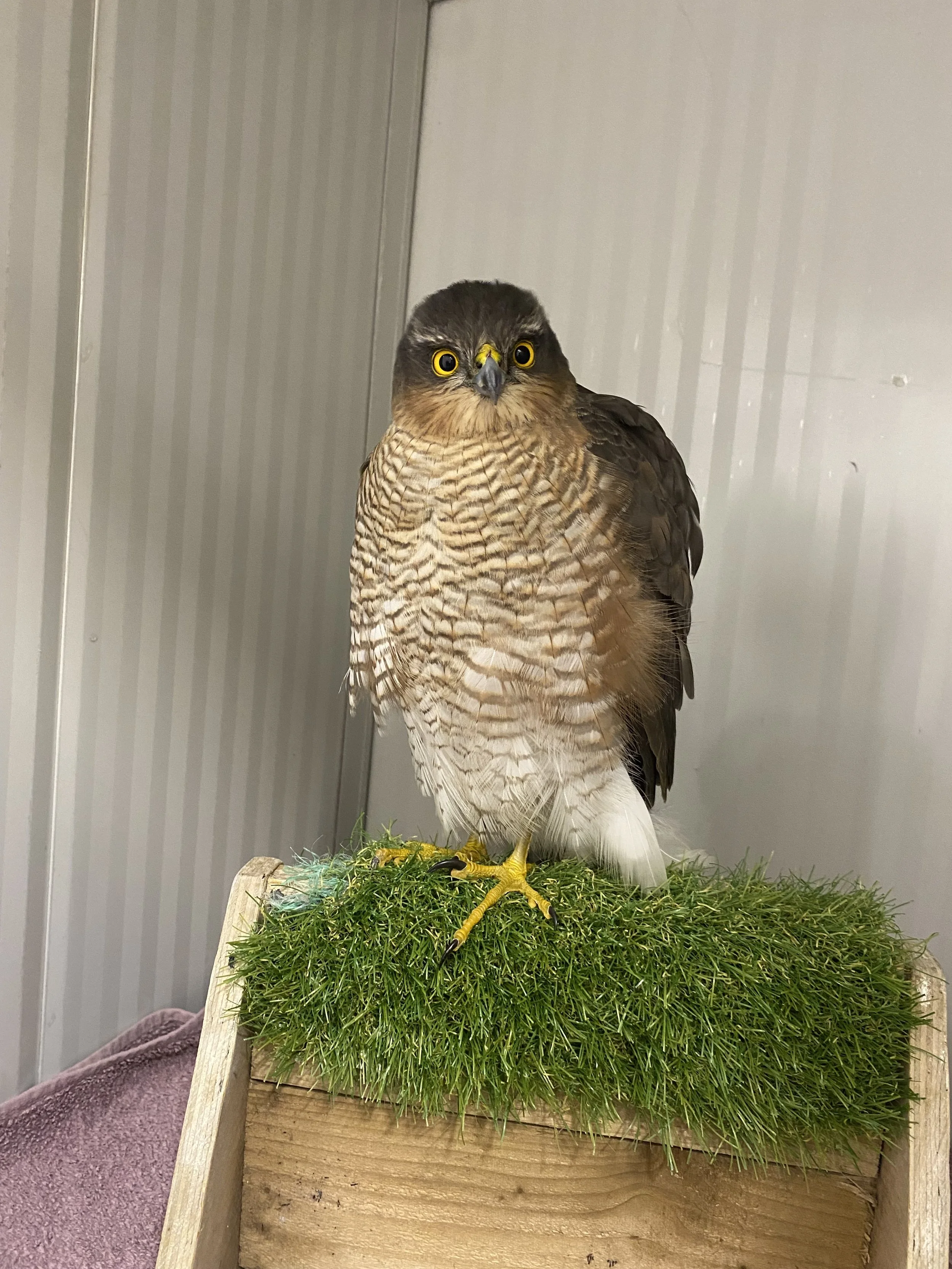
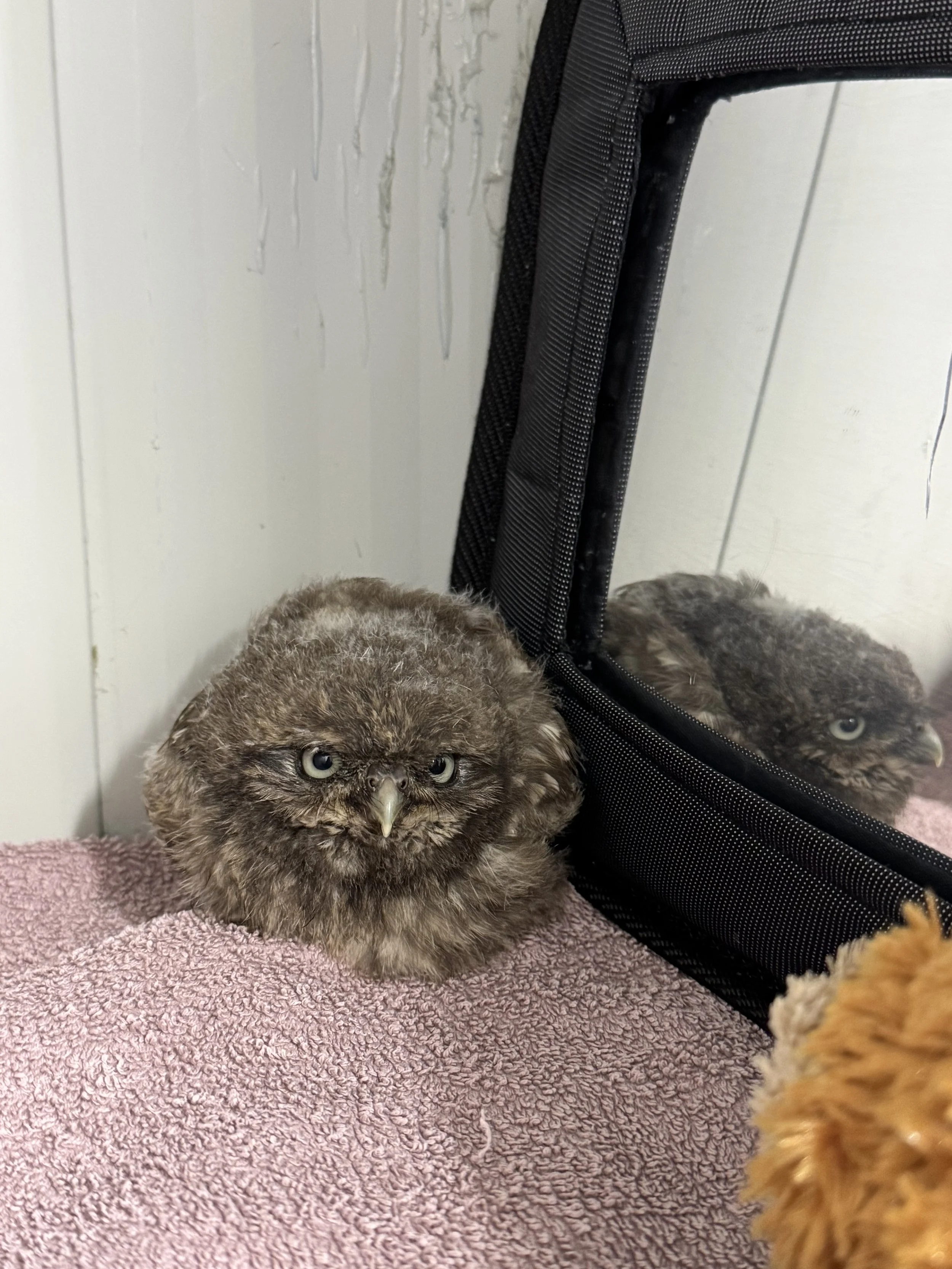
Many other birds of prey, including Kestrels, Little Owls, Buzzards, and Sparrowhawks, leave the nest before they become strong, confident fliers. During this stage they may spend time on the ground, on fences, rooftops or in low branches while they build strength and develop their flying skills. Their parents will continue to feed, protect and encourage them as they learn.
If you find a young bird of prey that appears bright, alert and uninjured, the best course of action is usually to leave it where it is. If it is in immediate danger, such as on a road or somewhere easily reached by predators, it can be moved a short distance, where it is safe to do so, to a nearby elevated or sheltered position where the parents can still locate and care for it. If the bird appears injured, weak, unable to stand, or has obvious signs of illness, contact a wildlife rehabilitation centre or veterinary practice for advice before intervening further.
If You're Unsure
If you are ever unsure whether a bird needs help, contact a wildlife rehabilitation centre or veterinary practice before intervening. A quick phone call can often prevent unnecessary rescue and give the bird the best chance of surviving in the wild.
📝 Conservation Officer Amber Hanys
