

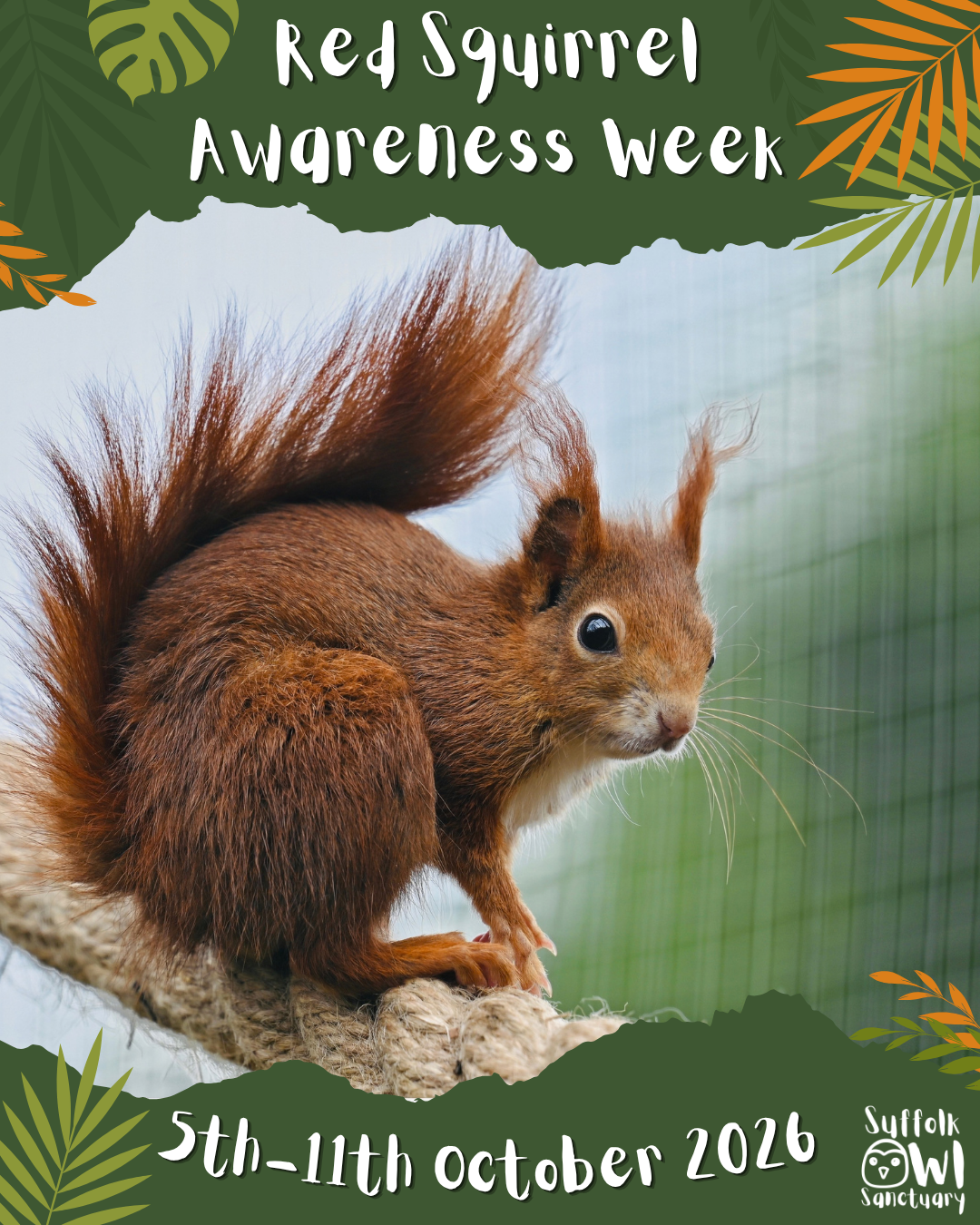
Red squirrels are one of our most charming native mammals, with their russet-red coats, tufted ears and lively personalities. But these little woodland acrobats are more than just a delight to spot, they are an important part of our natural heritage and deserve our help and protection.
This Red Squirrel Awareness Week, we’re shining a spotlight on these wonderful creatures and exploring how we can all play a part in securing their future.
Meet the red squirrel 🐿️
With their bushy tails, bright eyes and distinctive ear tufts, red squirrels are instantly recognisable. They spend much of their time in trees, scampering along branches, leaping between trunks and searching for their next meal.
Their diet includes seeds, nuts, berries, fungi and tree buds. They also bury food to eat later, helping them get through the colder months when food can be harder to find.
Red squirrels are an important part of woodland ecosystems, and their presence is a reminder of the incredible wildlife our woodlands support.
Why do red squirrels need our help?
Sadly, red squirrels have disappeared from much of their former range across the UK. Their decline has been driven by several factors, including habitat loss and fragmentation, competition with introduced grey squirrels, and the squirrelpox virus, which can be particularly deadly to red squirrels.
Grey squirrels can also carry squirrelpox without showing symptoms, allowing the virus to spread to red squirrel populations.
Although red squirrels still thrive in some parts of the UK, many populations remain vulnerable. Conservation projects, habitat management and ongoing monitoring all play an important role in helping them survive.
How can you help red squirrels? 🌳
You don't have to be a wildlife expert to make a difference. Here are a few ways to support red squirrel conservation:
Protect their habitat: Support woodland conservation and the protection of suitable habitats.
Spread the word: Share facts about red squirrels and the challenges they face with friends, family and your online community.
Support conservation projects: Consider volunteering with or donating to a reputable local wildlife organisation working to protect red squirrels.
Report sightings: If you spot a red squirrel, record your sighting with a recognised local recording scheme or conservation group.
Follow local guidance: In areas where red squirrels are present, follow advice from local conservation organisations, particularly regarding feeding and disease prevention.
Small actions can help raise awareness and support the people working hard to protect these special animals.
Red squirrels are a precious part of our natural heritage, and their future depends on continued awareness, research and conservation efforts.
📝 Conservation Officer Amber Hanys
