

Eagles , vultures
& other birds
Please support Suffolk Owl Sanctuary by adopting one of the beautiful birds featured below with a one-off donation or a small regular payment to help the Sanctuary as it strives to survive. Thank you.
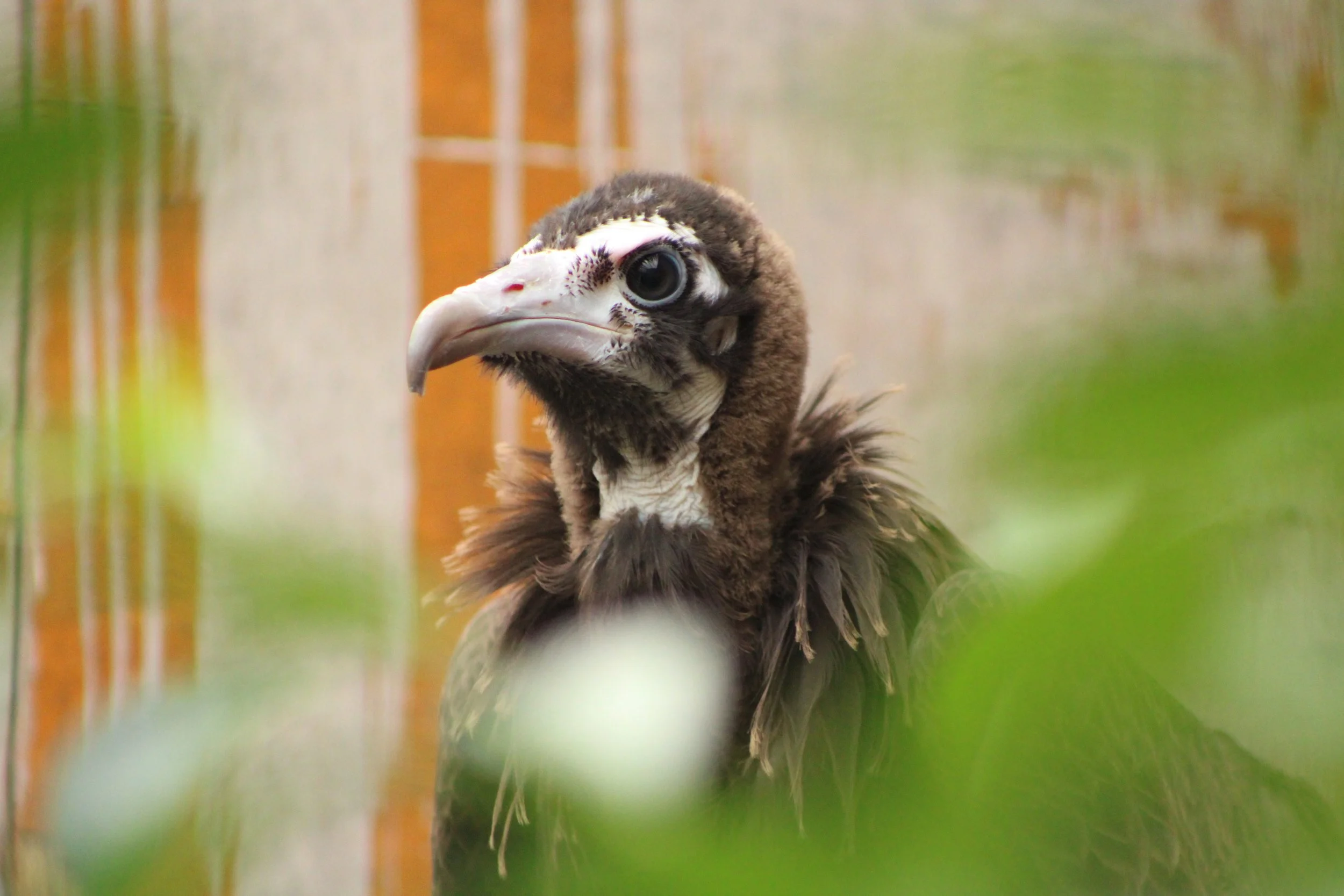
Toto, Hooded Vulture
Toto is our first Hooded vulture chick from our wonderful vultures, Jack and Rose. As the first successful chick from the new pair we are excited to share the importance of these vultures to all our supporters. She is featured in our bird shows throughout the year. Toto is a very quick learner and has mastered weighing on the scales every morning for each member of staff, crate training and stationing on her favourite perch for a reward.
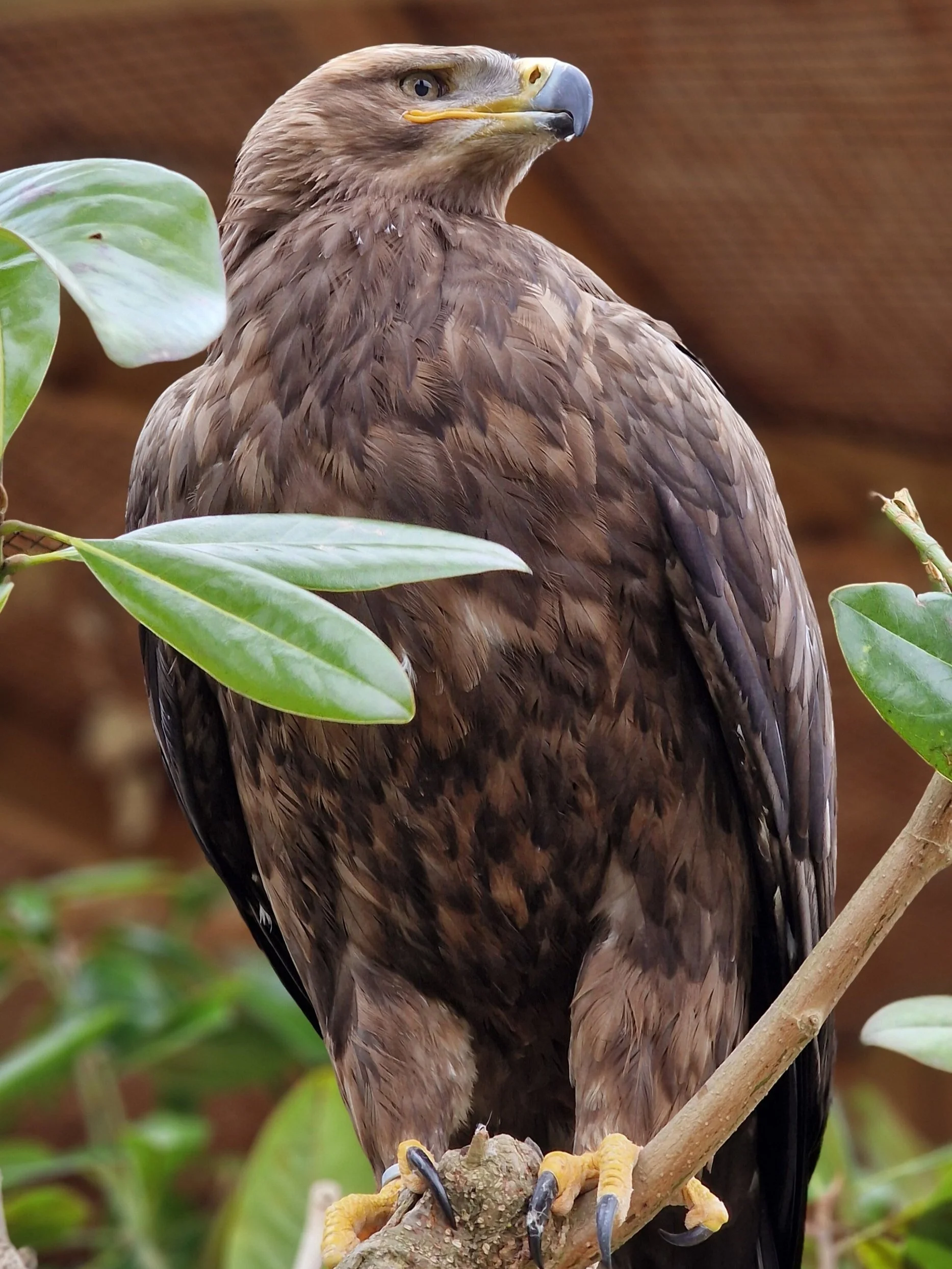
Mir, Steppe Eagle
Mir has been part of Suffolk Owl Sanctuary from the beginning, and is now our oldest resident at the sanctuary, with a hatch date of 1995! As one of the largest and most impressive raptors, they are specialised predators of ground prey and are the only eagles to nest primarily on the ground. Steppe Eagles breed only in four large nations: Russia, Kazakhstan, Mongolia, and China. They are entirely migratory, wintering in the east and, to a lesser extent, southern Africa
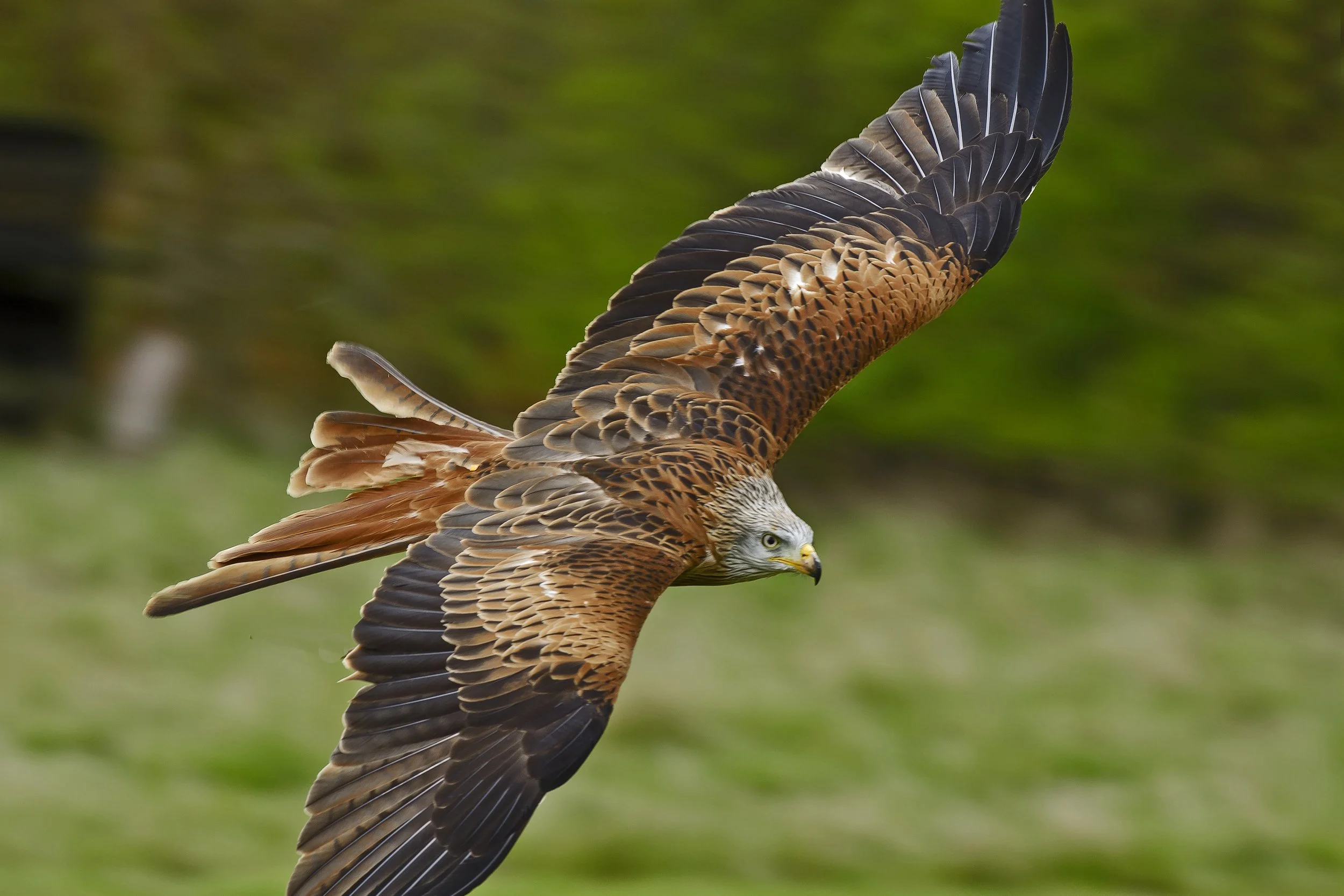
Hakin, Red Kite
His size, colouring and presence are truly awe-inspiring, and once visitors have seen him soaring high above the centre once, they are eager to return to repeat the experience. Kites present a very elegant spectacle in flight, with their iconic forked tail and slender, aerodynamic shape enabling them to perform breathtaking manoeuvres. Hakin hatched in 2018, along with his brother Elgin, at the centre and has done an amazing job being an incredible ambassador to the species that once faced extinction.
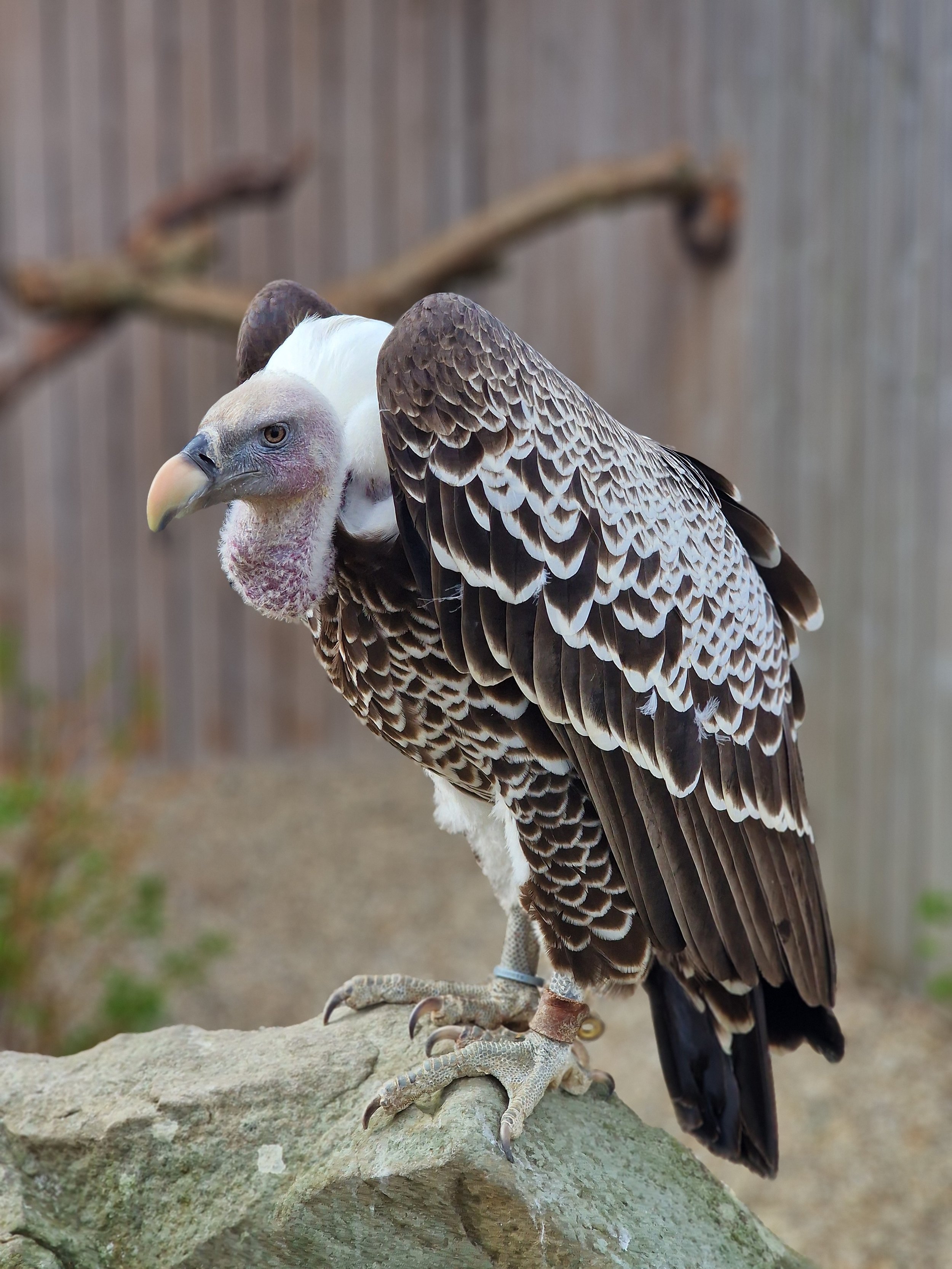
Ruby, Ruppell’s Griffon Vulture
Our impressive female Rüppell's griffon vulture hatched in 2008, the heaviest and largest bird of our educational team, weighing in at over 12lbs (6kg) with a wingspan of nearly 8 feet! Rüppell's vultures are an old-world vulture native to central Africa and, sadly, due to extensive human persecution, are now critically endangered. Vultures are one of the most important animals on the planet, playing a crucial role in the health of the environment by consuming carrion that could potentially cause diseases to spread amongst human populations.
Rey, Raven
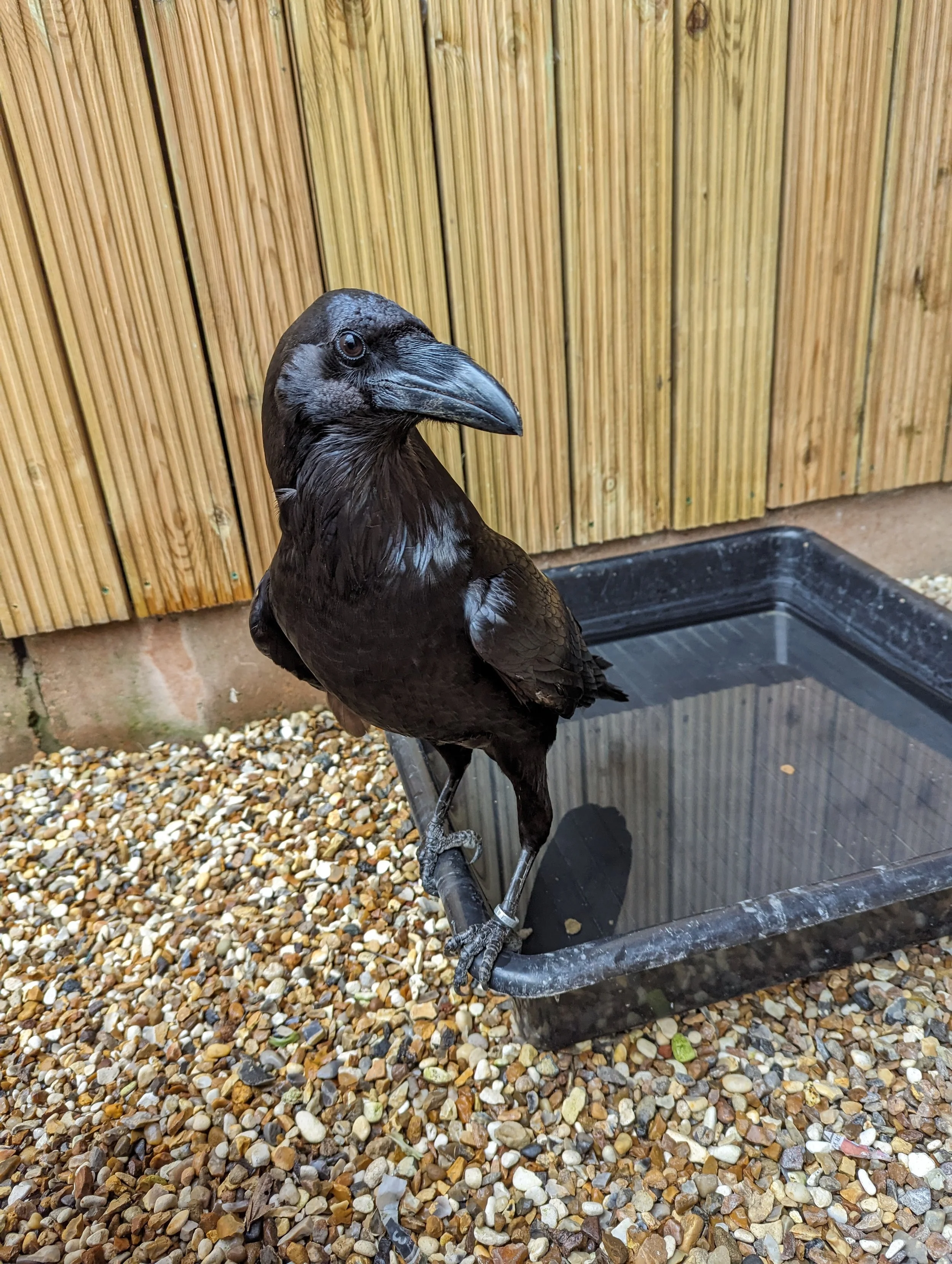
Rey thoroughly enjoys her training sessions with her avian trainers everyday, being one of the smartest birds in the world, Ravens are great problem solvers so training and enrichment help Rey to keep her brain active. During her training this year, Rey has been doing lots of flying, playing fetch with her favourite ball and engaging in cooperative care where she is learning how to voluntarily accept an anesthetic mask to help with veterinary checks should she ever need anaesthesia. By giving Rey the choice to put her own head in the anesthetic mask by herself she is eliminating the need for any unnecessary stress that could possibly be involved in a vet check!
Jack, Hooded Vulture
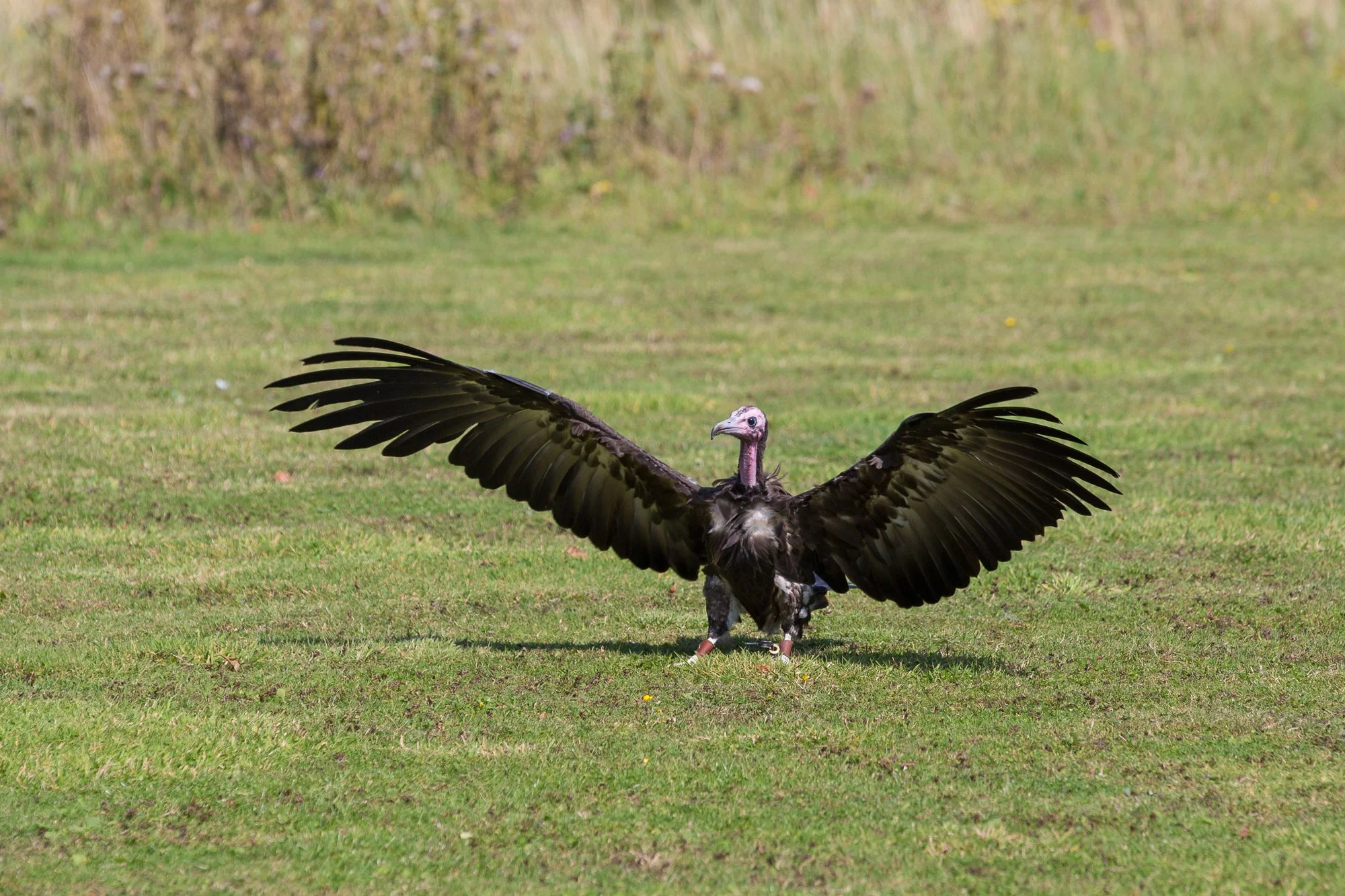
Jack continues to enjoy the company of his partner, Rose with whom he is now strongly bonded. During early 2023, they demonstrated their commitment to each other by producing an egg, which they successfully incubated and hatched. This was a tremendous achievement for the animal team who work tirelessly to maintain the highest standards of care and support for all the sanctuary’s birds. The fact that Jack and Rose have successfully raised progeny confirms that they are not only in peak physical condition, but they are also happy and contented. Despite being first time parents, the pair managed to raise the youngster without human intervention other than the erection of screens around their aviary to offer privacy and seclusion.
Rey, Raven
Rey thoroughly enjoys her training sessions with her avian trainers everyday, being one of the smartest birds in the world, Ravens are great problem solvers so training and enrichment help Rey to keep her brain active. During her training this year, Rey has been doing lots of flying, playing fetch with her favourite ball and engaging in cooperative care where she is learning how to voluntarily accept an anesthetic mask to help with veterinary checks should she ever need anaesthesia. By giving Rey the choice to put her own head in the anesthetic mask by herself she is eliminating the need for any unnecessary stress that could possibly be involved in a vet check!